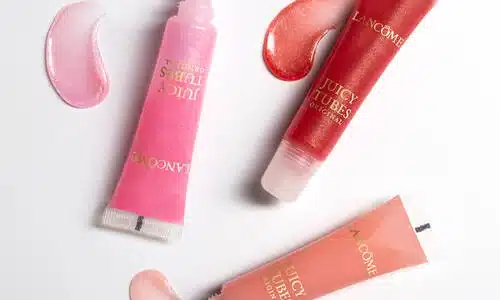

When Lancôme recently relaunched its iconic Juicy Tubes with a Y2K-themed campaign starring icons from the 2000s, the brand did more than relaunch their product, the campaign created a cultural revival.
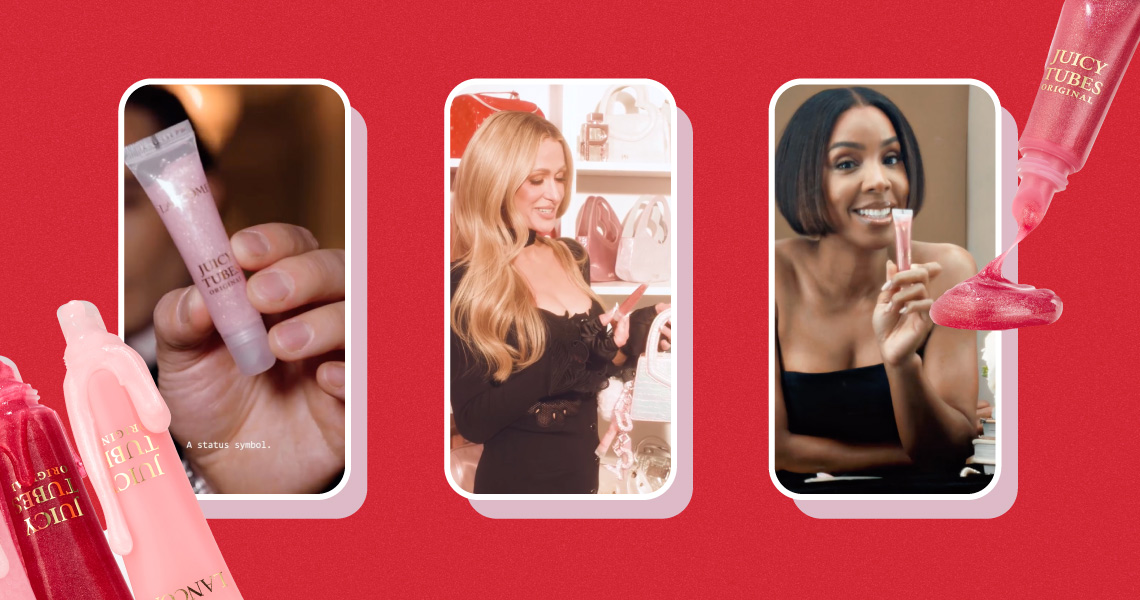
To mark 25 years of Juicy Tubes, Lancôme tapped into early-2000s pop culture nostalgia, enlisting a lineup of celebrities synonymous with the era. Actor Ed Westwick revives his iconic role as Chuck Bass in a tongue-in-cheek TikTok video, while Rachel Bilson reminisces about winning a Teen Choice Award for best on-screen kiss, claiming “kisses are better with Juicy Tubes.” The campaign is playful, star-studded, and most of all, perfectly nostalgic.
More and more, we are seeing nostalgic campaigns from brands, but this trend is more than just a fun throwback. It’s a strategic marketing move that speaks volumes about today’s consumer and the current cultural climate.
Why Does It Work?
Nostalgia marketing is everywhere, and for good reason. In a digital era where audiences feel increasingly disconnected and overwhelmed, familiar references offer comfort, and a sense of shared experience. Millennials and Gen Z are the primary buyers in the beauty sector, and both groups grew up with Juicy Tubes, butterfly clips, and MySpace status updates, which is why this campaign works so well.
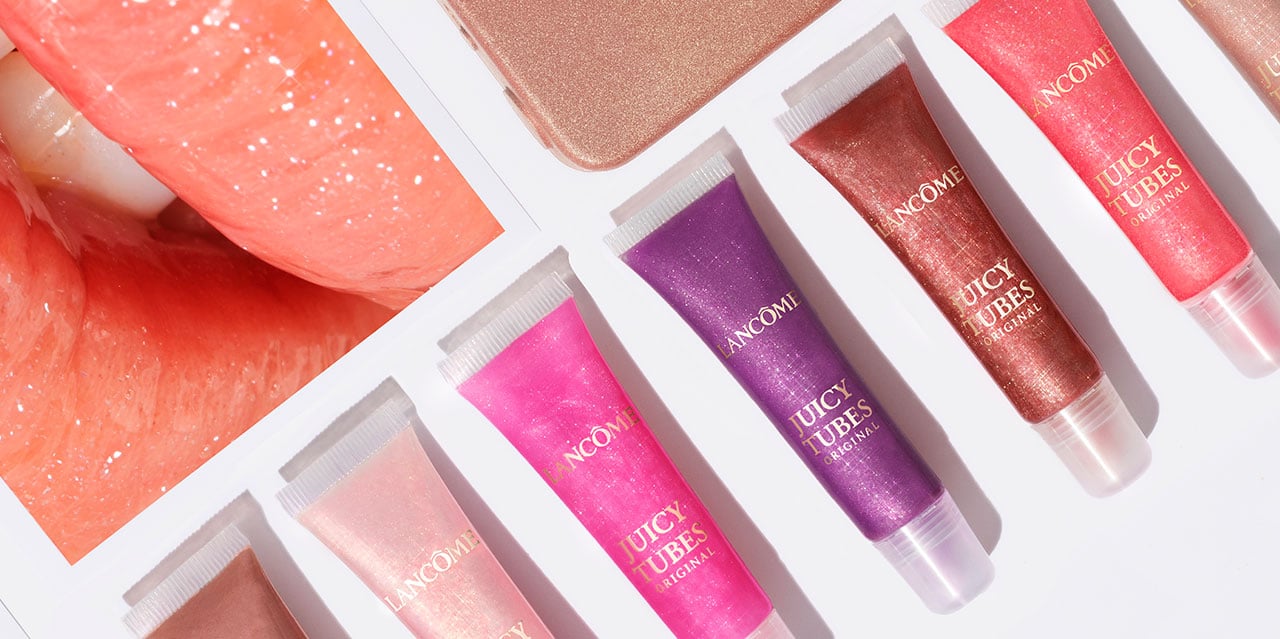
Lancôme’s campaign doesn’t just sell a product; it evokes a feeling that many of their consumers have experienced 25 years earlier. The scent, the taste, the recognisable packaging all are sensory cues and makes it the perfect campaign, using nostalgia as an emotional connection rather than just a gimmick.
The Rise of the Emotionally-Driven Consumer
Today’s consumer is hyper aware, overstimulated and sceptical. With social media feeds increasingly dominated by sponsored content, AI-generated visuals, and influencer fatigue, emotional relatability now matters more than ever. Campaigns that lean into sincerity, humour, or personal reflection feel more relatable than out of touch.
In this context, nostalgia works because it feels personal. It reminds consumers of who they were before they were inundated with untrustworthy or spammy content.
Crafting Nostalgia That Connects
For PR and social media professionals, tapping into the past isn’t as simple as resurfacing old content. To resonate with today’s audiences, nostalgia has to be culturally relevant, emotionally intelligent, and make sure to be relevant within the current climate. That means understanding not just what people remember, but why it matters to them now, and the campaign messaging should reflect that awareness.
Lancôme nails the execution by embedding nostalgia across every layer of its Juicy Tubes revival, from casting culturally iconic figures like Paris Hilton and Hilary Duff, to using platform-native content that plays into social media trends and Instagram nostalgia aesthetics. The campaign slogan, “kisses are better with Juicy Tubes,” being at the forefront of the campaign, gives it a cohesive message that translates across cultural eras and resonates from the 2000s to today.
For social media creatives, this is a reminder that the most effective nostalgia content doesn’t rely on the past to do the work; it reworks it for now, with the right mix of storytelling, timing, and cultural relevancy.
What This Tells Us About the Future
As social media becomes less social, audiences are retreating from oversharing in favour of curated self-expression, and brands must find new ways to create an emotional connection. Nostalgia is one way to connect, but the underlying fact is that today’s consumer wants to feel something.
Nostalgia marketing isn’t just a passing trend, it’s a window into what today’s consumer truly values: connection, authenticity, and emotional depth. As digital spaces become more transactional and less about real human interaction, campaigns that tap into shared memories offer a rare sense of familiarity and allow the consumer and brand to connect with each other, but also consumers together.
Lancôme’s Juicy Tubes revival proves that when nostalgia is done well, with intention, cultural sensitivity, and storytelling finesse, it doesn’t just spark recognition, it drives relevance. For brands navigating the complexities of modern consumer behaviour, nostalgia isn’t about living in the past. It’s about using the past to create meaningful moments in the present, and, ultimately, building stronger relationships with audiences for the future.
At Prohibition, we work with various brands across all sectors, B2B and B2C, to create innovative PR and social media campaigns that deliver real ROI and help meet business goals. Get in touch with us today to find out how we could support you with your Public Relations. Drop us an email: hello@prohibitionpr.co.uk or give us a bell on 0113 430 4160.
About The Author