
PR for universities and colleges, built around recruitment and reputation
Prohibition is a higher education PR agency in Leeds working with universities, colleges and the organisations that serve them across the UK. We run press offices, Results Day and Clearing campaigns, student content and crisis communications. Our Results Day 2026 campaign for De Montfort University reached 45.3 million people, and our creative and paid social work for the Martingale Foundation lifted scholarship applications by 34%.

Our higher education clients




How do you win students on Results Day and in Clearing?
Let students tell the story, because applicants trust other students more than a vice-chancellor. Results Day is the most crowded moment in the higher education calendar, and in Clearing the decision can take a matter of hours.
For De Montfort University we filmed four student case studies before A Level Results Day 2026, each one strong enough to run as a broadcast interview. From the same shoot we cut 16 social videos to keep DMU visible while offers were weighed up. The campaign landed 8 pieces of national coverage, 5 TV and radio broadcast hits and 45.3 million reach, and beat every KPI.
Open days and events still matter earlier in the cycle, and we plan the whole recruitment year around them.
Can PR raise your university’s research profile?
Yes, and your academics are usually the story. We pitch to the education and national journalists your audiences actually read, and we have been building those relationships since we opened in 2012.
For London Metropolitan University we ran an always-on press office that made its academics the go-to commentators on education and public life, week after week. That work produced 90+ pieces of coverage in titles including The Times, Times Higher Education, The i and The Guardian, more than 20 broadcast interviews and 943.5 million media reach.
A research paper, a new centre or a new course can carry a story too. We use media relations to put each one in front of the people you want to reach, and run a proactive press office between announcements. Our film for the University of Leeds Astbury Centre shows how we bring research to life on screen.
Does paid social work for student and scholarship recruitment?
It does when you can prove which ads worked. The Martingale Foundation funds Master’s and PhD scholarships in STEM for students from lower-income backgrounds, and its paid social had no tracking links, no conversion tracking and no creative testing.
We fixed the measurement before launch, then ran paid social advertising on Meta, TikTok and LinkedIn in three phases, led by short videos from current scholars. Alongside it, we landed the foundation’s £25m pledge in The Times. Applications rose 34% on the 262 it received the year before.
We target by age, location and interest, so a campaign can reach 18 to 22 year olds, postgraduates or the parents who influence the choice. Influencer marketing with alumni and student creators adds voices applicants already trust.

How should a university run its social media?
From one strategy, even when hundreds of people post. For Northumbria University we reviewed more than 200 social media channels run by departments, partners and individual academics, then wrote one university-wide strategy and delivered it through workshops and face-to-face training. Northumbria adopted it and rolled it out in phases.
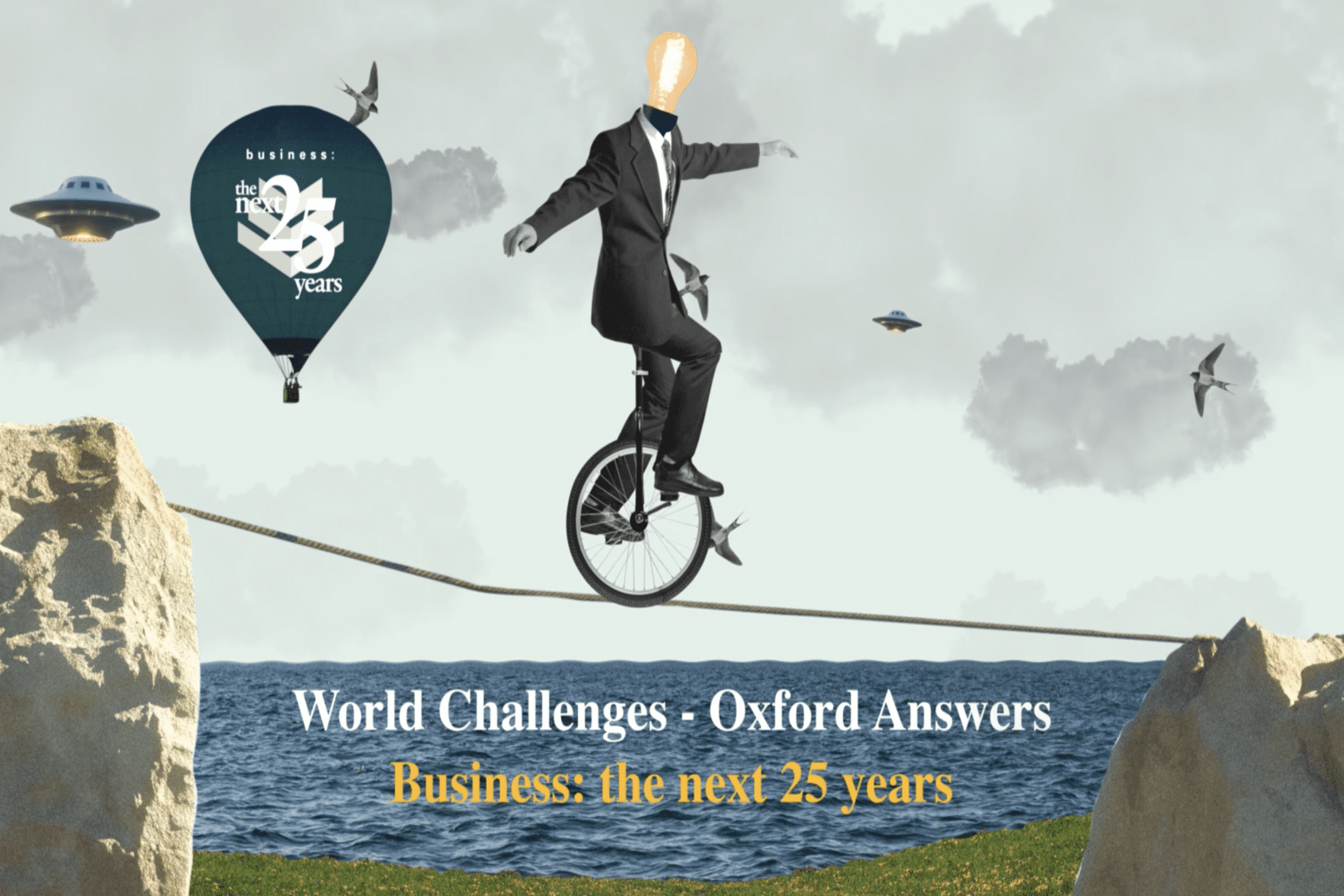
For Saïd Business School at the University of Oxford, which wanted its 25th anniversary thought leadership to stand out, we set the creative direction and made animations and graphics for 20 articles. Engagement rose 68% and website traffic 10%, and the school asked us back.
“It’s a great change from the usual corporate stuff we produce.”Bex Henley, Marketing Manager, Saïd Business School (verified Clutch review)
Read our guides to social media strategy for universities and to the social media campaigns that work for higher education.
Read the Northumbria case study | Read the Saïd Business School case study
What happens when something goes wrong on campus?
Universities are big, public places, so sooner or later something goes wrong. It might be a strike, a protest, a cyber attack, course closures or a story about student safety. The first few hours usually decide how it gets reported.
Crisis management is one of our specialisms, and our crisis service runs out of hours with a 24/7 virtual press office. Before anything happens, we help you put a crisis plan in place, test it with mock incidents and give the people who will face the cameras media training. When the calls start, we handle the media enquiries, agree the lines with your leadership team and make sure students, parents and staff hear it from you first. We also offer reputation management for longer-running issues.

How do you measure higher education PR?
Against the AMEC framework, which separates outputs, out-takes and outcomes. Coverage and reach are outputs. Engagement, open day sign-ups and website visits are out-takes. Outcomes are the numbers your board cares about: applications, enrolments, research partnerships and reputation.
The Martingale campaign is the model. Tracking went on every ad before launch, so we could show which audiences and videos drove applications rather than guessing afterwards. We agree the same tracking with every university at the start.
How much does a higher education PR agency cost?
Prohibition works with universities in two ways: a monthly retainer for an always-on press office, or a fixed fee for a campaign such as Results Day and Clearing. The price depends on how many stories and media moments you need, and whether you add video production, content, paid social or crisis cover. We give you a written quote after a first call.
Is Prohibition the right higher education PR agency?
A good fit
Universities, colleges, business schools and education organisations that want PR tied to applications, research profile or reputation, with PR, videography, social and paid working from one plan. Our clients include De Montfort, London Met, Northumbria, Durham, Leeds, Oxford’s Saïd Business School, Kirklees College, Emerald Publishing and the Martingale Foundation.
Probably not the right fit
If you need a public affairs firm to lobby the Department for Education full time, a specialist policy consultancy will serve you better. And if you only need the odd press release written, a freelance education writer is better value.
Prohibition is a multi-award-winning PR agency in Leeds, a previous PRCA Agency of the Year and a member of the Worldcom PR Group.
Talk to Prohibition about your university
Tell us what you need: more applications, a stronger research profile or support through a difficult story. We will give you an honest view of what PR can do. Prefer to talk? Call us on 0113 430 4160.
More higher education work from Prohibition
Questions universities ask us before they hire
How should a university choose a PR agency?
Start with the agency’s education work. Lists of the top PR agencies in the UK, or in the world, mostly rank the big PR firms by size, which tells you very little about how they’d handle Clearing or a difficult story about your vice-chancellor. Ask each agency for recent higher education results. Then ask how they’d deal with a crisis on campus. If the answers are vague, keep looking.
How do you manage PR content for universities?
Plan it around the academic year, because that’s when your audiences are paying attention: open days, Results Day and Clearing, welcome week, graduation and big research news. Then get your channels in order. For Northumbria University we reviewed more than 200 social media channels, many of them belonging to departments and individual academics, before writing one university-wide strategy. Your academics and students are usually your best content, so build the plan around their stories.
Do you work with colleges as well as universities?
Yes, we work with colleges too. Our clients have included Kirklees College and universities such as Northumbria, Durham, Leeds and Oxford, along with organisations that serve the sector, like the academic publisher Emerald Publishing and the Martingale Foundation, which funds postgraduate scholarships. A college recruiting 16-year-olds usually talks to parents far more than a business school does, so the audiences and channels change. The job stays the same: get the right people talking about you.