
Packaging design that stands out on shelf and sells online
Updated October 2026.
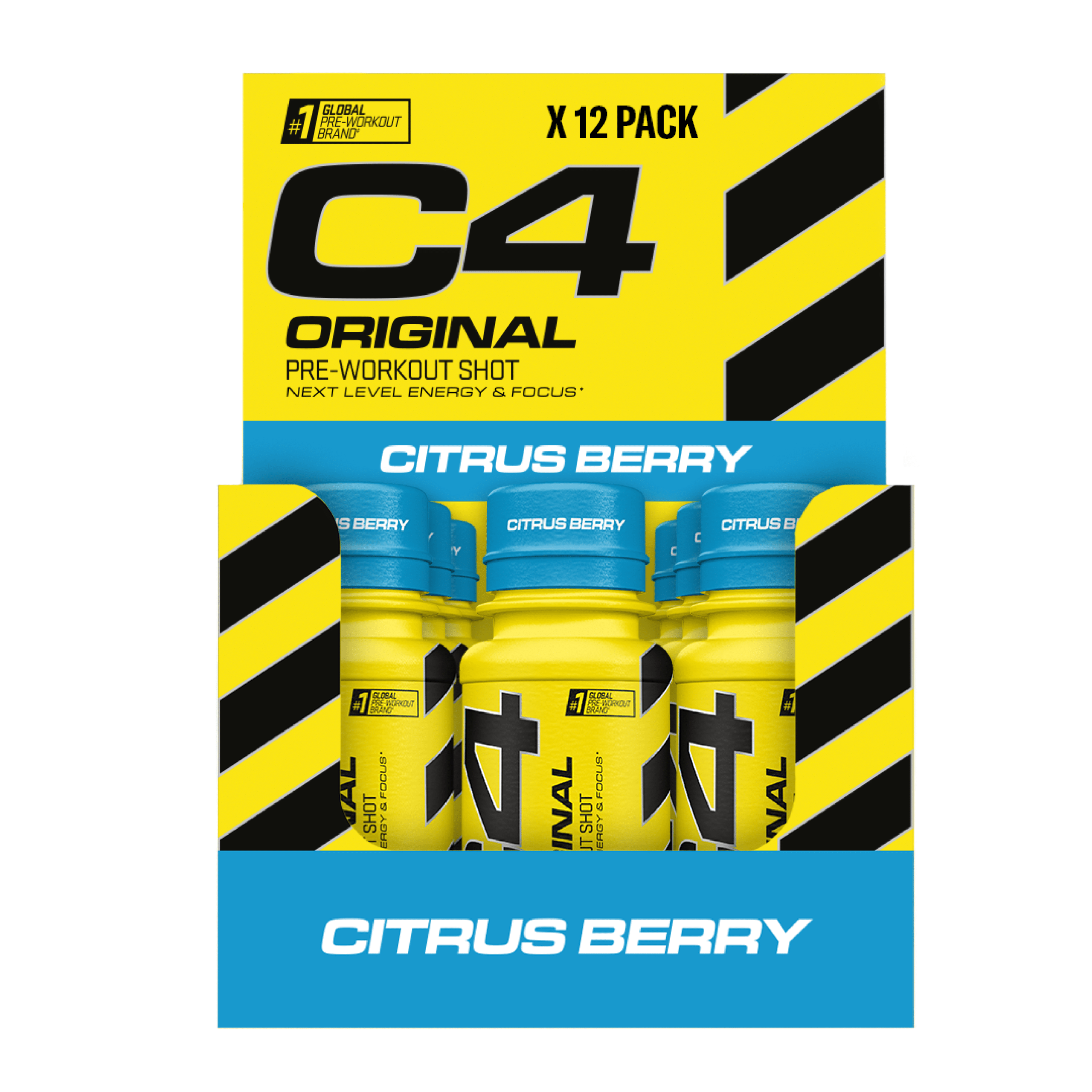
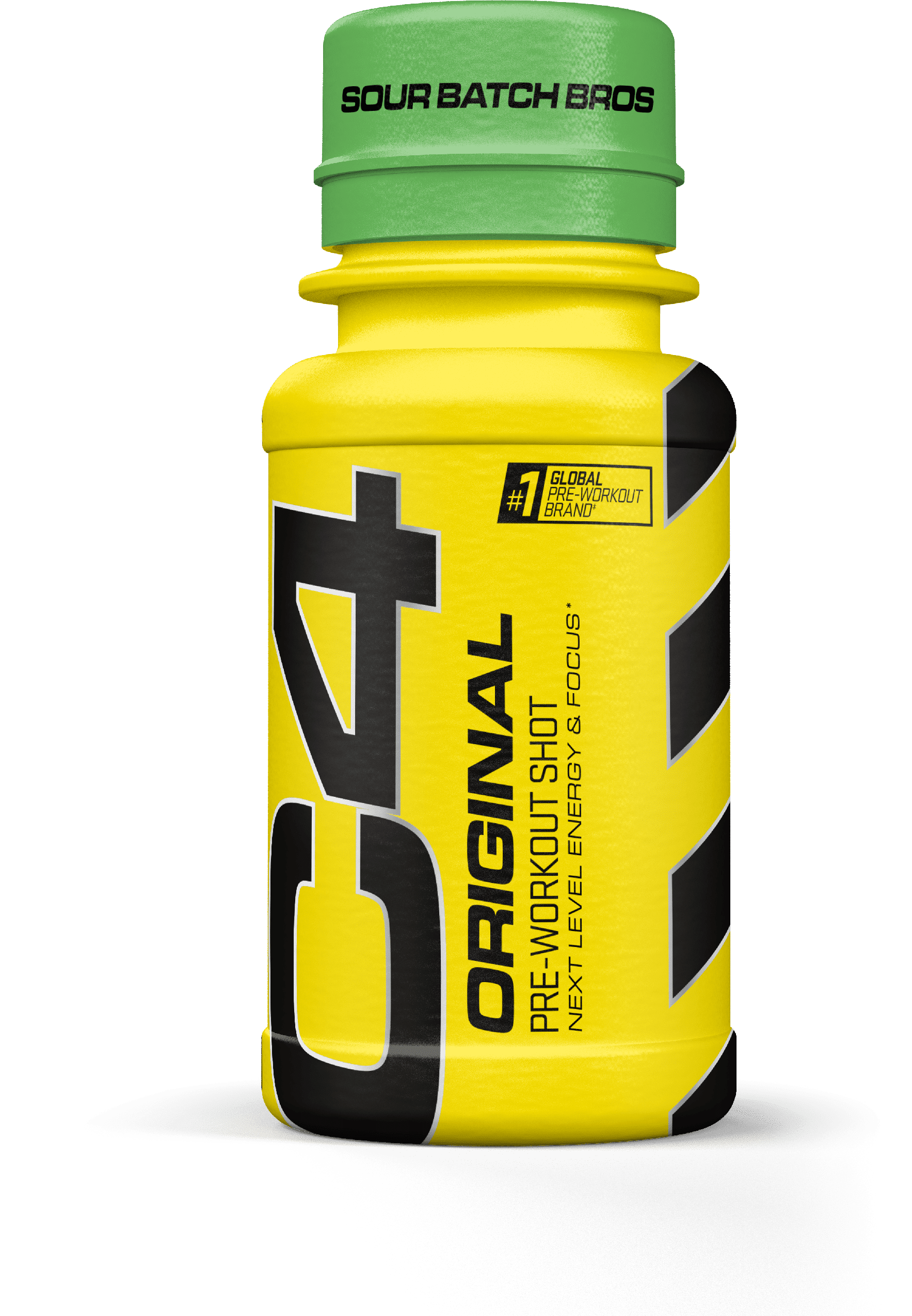
Prohibition is a packaging design agency in Leeds. We design packs, labels and point of sale that catch the eye in a busy aisle, look right in a thumbnail and tell people why to buy. We designed packaging for C4 Energy’s UK pre-workout shots and cans, and launched All Shook Up’s new canned cocktail packaging to 1.3 million people through creators.
Why does packaging design matter?
Packaging is often the first thing a shopper sees, in store or online, and it has seconds to win them. Good packaging makes your product easy to spot, shows its quality, carries the information people need and builds recognition across a range, so customers find you again.
Brands That Trust Us For Creative








What packaging design services do we offer?
Brand Strategy
Brand identity
Logo, colour, typography and tone that work across every pack in the range and every place your product appears.
Branding and Packaging Design
Packaging structure and design
Packs that look good and work: the right size, shape and materials to protect the product and make it easy to use and recycle.
Label Design
Labels
Clear, compliant labels that carry ingredients, nutrition and usage information without losing the design.
Packaging Prototyping
Prototypes and mock-ups
We test designs as printed mock-ups and 3D renders before production, so you can see them on shelf and on screen and make changes early.
Packaging Production
Production and launch
We manage artwork and print, then launch the new look with photography, social content, influencer marketing and product launch PR.
Why choose Prohibition for packaging design?

Design that is launched, not just printed
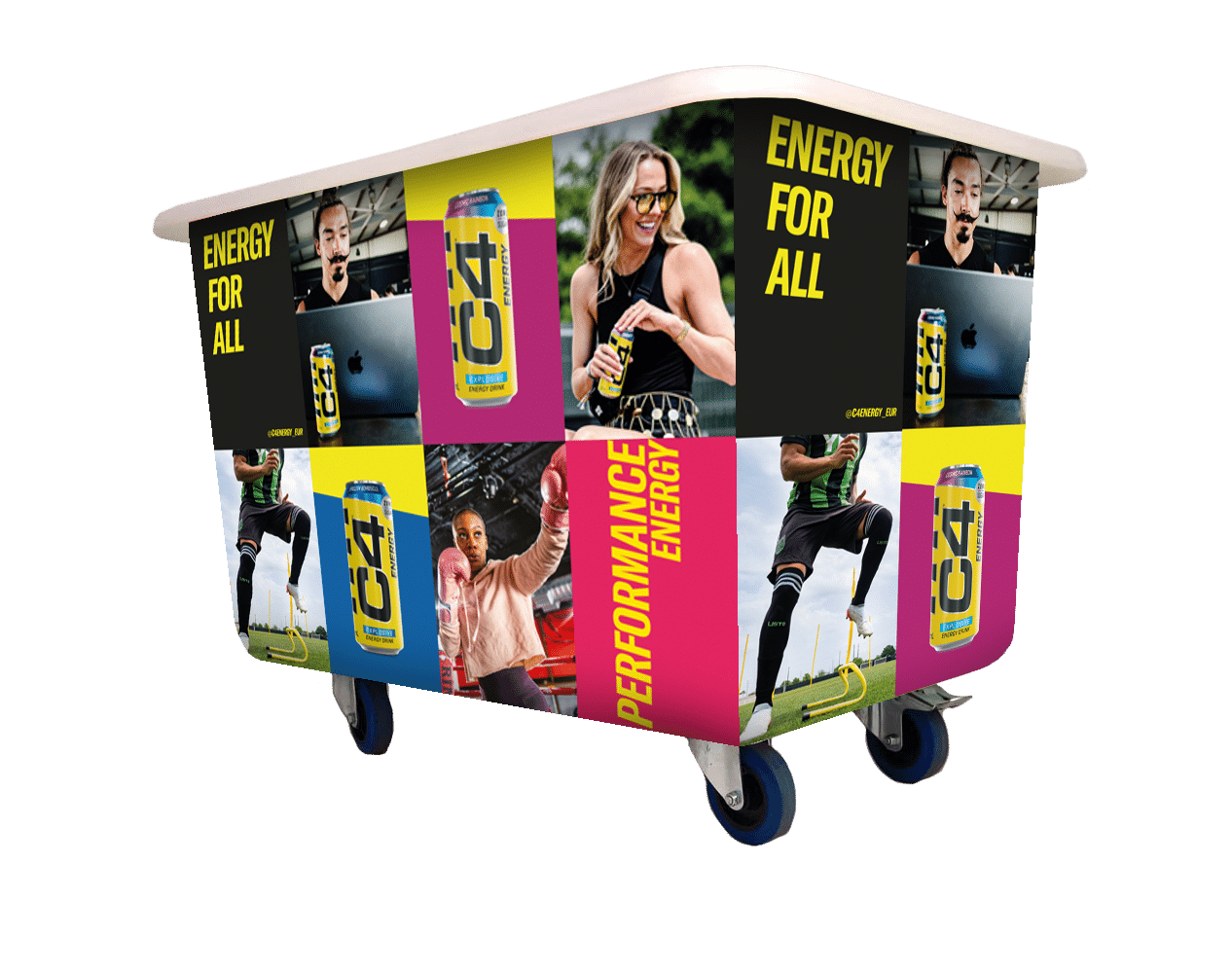
We are a creative studio inside a PR and social media agency, so your packaging comes with a plan to get it noticed. For C4 Energy we designed packaging for its pre-workout shots and cans and a brand stand, and our creative appeared at WHSmith’s London Victoria station and on the London Underground. For All Shook Up’s new packaging, we sent creators and their best friends on a festival weekend, and the content reached 1.3 million people.
Which brands trust our creative team?
C4 Energy, Fentimans, Interflora and EQUANS have all used our design and creative team, and we work with start-ups as well as global brands.
How much does packaging design cost?
It depends on how many products and pack formats you need, whether you need a new brand identity or an update, structural design, prototypes, print management and launch content. We give you a written quote after a first call, or you can contact us now. We also offer design, exhibition design and OOH advertising.
Talk to Prohibition about packaging design
Tell us about your product and where it will be sold. Prefer to talk? Call us on 0113 430 4160.
Our Latest Work
What makes a good packaging design?
Here are some key elements that make a good packaging design:
- Clear Communication: The packaging design should clearly communicate what the product is, what it does, and why it is better than its competitors. It should also include any relevant information such as ingredients, usage instructions, and warnings.
- Eye-catching design: Your products need to be visually appealing to stand out on the shelves. This can be achieved through the use of bold colours, unique shapes, and interesting textures.
- Brand Consistency: Packaging design should be consistent with the brand’s overall identity, including the logo, colour palette, and typography. This helps customers recognise the brand and build trust with it.
- Functional Design: Packaging should be functional and easy to use. It should protect the product during transportation and storage, and be easy to open and close.
- Sustainability: Consumers are becoming increasingly aware of environmental issues, and many are looking for products with sustainable packaging. A good packaging design should take this into account and use eco-friendly materials wherever possible.
- Market Research: Market research should be carried out before designing packaging in order to find out what the target audience identifies with most, their needs, and preferences. This helps ensure that it is appealing to the right people and stands out from the competition.
We will incorporate all of these elements into your packaging design, to create a product that stands out from your competitors and attracts the most attention.
Why is packaging design important for brand identity?
- Brand recognition: Packaging design helps to create brand recognition. When your product is placed on a shelf with other products, it should be easily recognisable. A well-designed package can help to differentiate your product from competitors and make it stand out.
- Consumer perception: The packaging design can influence consumer perception of your product. A well-designed package can create a positive impression of your brand and increase the likelihood of purchase.
- Communication: Packaging design is a way to communicate information about your product to consumers. Important information such as ingredients, nutritional value, and usage instructions can be displayed on the package.
- Protection: Packaging not only protects the product during transportation and storage but also protects the brand reputation. If a product arrives damaged or in poor condition, consumers may associate this with poor quality or lack of care from the brand.
- Marketing tool: Packaging design can be used as a marketing tool to promote your brand. It can be used to showcase your brand’s personality, values, and story. A unique and eye-catching design can attract attention and encourage consumers to learn more about your brand.
What design tools do we use?
- Adobe Illustrator: Illustrator is a vector-based design program widely used for creating packaging designs. It offers powerful tools for drawing, creating shapes, and applying colours and gradients. Illustrator is ideal for creating precise and scalable designs, including logos, labels, and packaging dielines.
- Adobe Photoshop: Photoshop is a raster-based image editing software that is often used in conjunction with Illustrator. It is useful for editing product photos, creating textures, applying special effects, and retouching images that will be incorporated into packaging designs.
- Adobe InDesign: InDesign is a layout design software commonly used for designing multi-page documents, such as packaging mock-ups, brochures, or catalogues. It allows for precise placement of text, images, and other elements, making it suitable for creating packaging prototypes and assembling artwork.
- Figma: Figma is a cloud-based design and prototyping tool that enables collaborative and interactive interface design. With Figma, designers can create designs for websites, mobile apps, and other digital interfaces. It offers a wide range of design tools and features, including vector editing, layout grids, interactive components, and animation capabilities.
- Blender: Blender is a powerful open-source 3D creation suite that offers a wide range of features for modelling, animation, rendering, and more. With Blender, users can create 3D models from scratch or import existing models in various formats. It provides a comprehensive set of modelling tools, allowing users to sculpt, texture, and manipulate objects in a virtual 3D environment.
The choice of design tools depend on the specific requirements of the project, the designer’s preference, and the desired output format. Our designers may also combine multiple tools to achieve the best results, leveraging the unique strengths of each software.
What types of product packaging are there?
- Primary Packaging: This refers to the immediate packaging that directly contains the product. It is the packaging that consumers interact with and typically includes items like bottles, boxes, tubes, cans, blister packs, and sachets.
- Secondary Packaging: This type of packaging is used to group and protect multiple primary packages. It may include cardboard boxes, shrink wrap, cartons, or trays. Secondary packaging often includes branding elements and additional product information.
- Tertiary Packaging: Tertiary packaging is designed to protect and facilitate the transportation of multiple secondary packages. It includes pallets, crates, and large containers used for shipping and handling in bulk quantities.
- Eco-Friendly Packaging: With growing environmental concerns, eco-friendly packaging designs have gained popularity. They focus on using sustainable materials, reducing waste, and promoting recyclability or compostability. Examples include biodegradable containers, minimalist packaging, and recycled materials.
- Promotional Packaging: This is designed to enhance product visibility, attract attention, and promote sales. It often includes eye-catching graphics, special offers, limited editions, or gift sets to encourage consumer engagement and increase brand awareness.
- Functional Packaging: This focuses on usability and convenience. It may include features like resealable closures, easy-open tabs, portion control, or single-serve packaging to improve the product’s functionality and user experience.
These are just a few examples of packaging design types. Different products and industries may have unique packaging needs that require customised designs.
What is the typical packaging design process?
Collaboration, iteration, and adherence to brand guidelines are crucial throughout the process. The goal is to create packaging that effectively communicates the brand, appeals to the target audience, meets functional requirements, and enhances the overall product experience.
What are our packaging design costs?
We can also work on a project-only basis, if that meets your brief better than a rolling contract. We pride ourselves on high quality products and bespoke packaging design.