
Amid the evolving AI landscape, Meta is making significant investments to fuel future growth, and everyone should be thinking about it going into 2026.
What Meta Just Launched
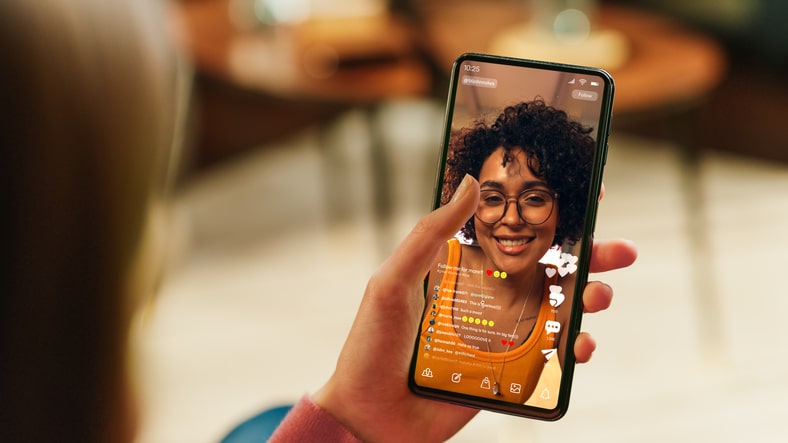
Meta is expanding language support for its AI translation features on Instagram and Facebook. Until now, creators could automatically dub Reels in English and Spanish. With the latest update, Hindi and Portuguese have been added, extending the possibilities of global accessibility.
But this isn’t just another translation feature we’ve seen before. This is AI-powered dubbing with accurate lip sync. Meta AI adjusts lip movement to align with dubbed audio, meaning that you can appear to be speaking in another language, even if the original video is not. Not only does this enable creators to connect with new audiences for the benefit of their own personal brand, but it also marks a significant step toward the breakdown of language barriers.
Plus, no more out of sync translated dubbing, making videos feel more natural!
https://www.instagram.com/p/DPmC3C0Eb24/?utm_source=ig_web_copy_link
Key Features
- AI powered dubbing with lip-sync accuracy.
- Optional, editable translations for creators.
- Free for Facebook accounts with 1,000+ followers.
- Free for all public Instagram accounts where Meta AI is active.
- Coming soon: Text and caption sticker translations. Even the writing you put on the screen of your videos will be able to be translated into different languages.
Why This Matters Beyond Social Media
When discussions revolve around language and translation, our minds naturally turn to streaming platforms within the film and media industry.
Netflix, in particular, with its 303 million subscribers worldwide, has long been recognised for its ability to adapt content to local languages. From April 2, 2025, viewers are able to select from over 30 languages available for subtitles and dubbing when watching Netflix on their TVs. This feature has been crucial in the streaming giant’s international success, allowing shows like “Squid Game” from Korea and “Lupin” from France to reach a broader audience. But whilst their international reach has been so successful, they still have yet to capitalise on Meta AI’s latest lip sync update which will open the floodgates for viewer experience.
There is no lip sync dubbing on Netflix, and viewers notice.
Theo Shakes (@theoshakes)
@theoshakes The tone is always so off 🤣 #movies #dubbed #squidgame #impression #usa
The audio changes, but the mouth movements don’t. Public opinion is that this makes for a disconnected viewing experience.

Meanwhile, Meta, whose primary content is short, and creator driven, is delivering something that could expand streaming services audiences to another level.
The Opportunity for Netflix (and Others)
- More immersive storytelling across borders.
- Higher engagement for international titles.
- Lower resistance to dubbed content.
- Broader global reach, without the language barrier.
The Bigger Picture: AI Is erasing language boundaries
This isn’t just about Meta or Netflix. It’s about the speed at which AI is expanding global communication. For brands and creators, the message is clear. The faster you embrace AI driven localisation, the bigger your global footprint will be.
It isn’t whether platforms should adapt, it’s how fast they can.
About The Author