
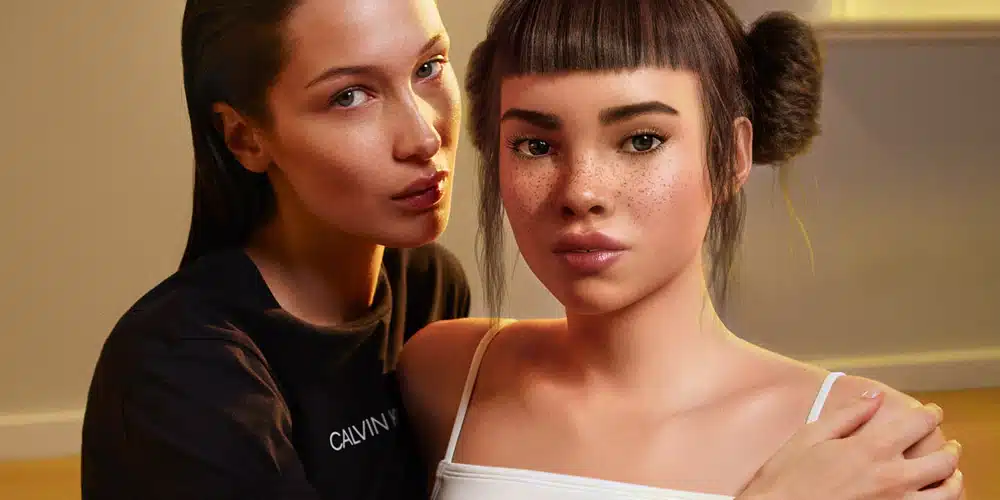

In an age where technology and creativity increasingly collide, a new kind of influencer is on the rise. One that’s not human, but artificial intelligence. These AI influencers are popping up and increasing in popularity and are becoming more common in the world of influencer marketing.
As brands look for innovative ways to connect with audiences, virtual influencers offer a new way to work with influencer partnerships. Are they the future of influencer marketing, or just another social media trend? And what should brands consider before adding to the next campaign.
Pros of Working with AI Influencers

- Full Creative Control:
AI influencers are designed and operated by teams that control every aspect of their behaviour and appearance. This means brands can direct the messaging and aesthetics for every aspect of the content. - Cost Efficiency (Long-Term):
Working with traditional influencers can add up in cost; but when it comes to working with an AI influencer, this isn’t quite the case as they don’t require travel expenses, accommodations, or ongoing salaries. - Always Available:
AI influencers don’t need sleep, time off, or anything really. They can generate content 24/7 and appear anywhere digitally without the logistical challenges of scheduling or location shoots. - Viral Novelty and Engagement:
Many consumers are fascinated by the concept of AI influencers, driving organic interest and media coverage. This novelty factor can increase reach and spark conversations around campaigns.
Cons of Working with AI Influencers

- Lack of Authenticity:
Perhaps the biggest criticism of AI influencers is their inability to form genuine human connections. Modern consumers, especially Gen Z, value authenticity and transparency. Some may see brand partnerships with AI influencers as defeating the entire point of why people work engaging with influencers in the first place – relatability. - Ethical and Legal Concerns:
AI influencers raise questions about disclosure, consent, and accountability. Who’s responsible if an AI influencer shares misleading information? Are audiences always aware they’re following a non-human entity? - Potential Backlash:
Some audiences might perceive the use of AI influencers as a threat to real jobs, particularly in creative industries. Brands must be cautious about appearing insensitive or prioritising automation over human talent.
AI influencers represent the next influencer step in marketing. They offer consistency, creative control, and scalable engagement opportunities, making them an attractive option to many brands. However, they also come with challenges, particularly around authenticity, ethics, and trust. They can be a powerful tool in a diversified influencer strategy, but they shouldn’t entirely replace the human connection that authentic influencers bring.
We work with a variety of brands on their influencer marketing, helping them to expand brand awareness, prompt purchase and create engaging content. Get in touch today to find out how we could help you. Call us on 0113 430 4160 or drop us an email: hello@prohibitionpr.co.uk
For more interesting articles from us check out these posts:
About The Author