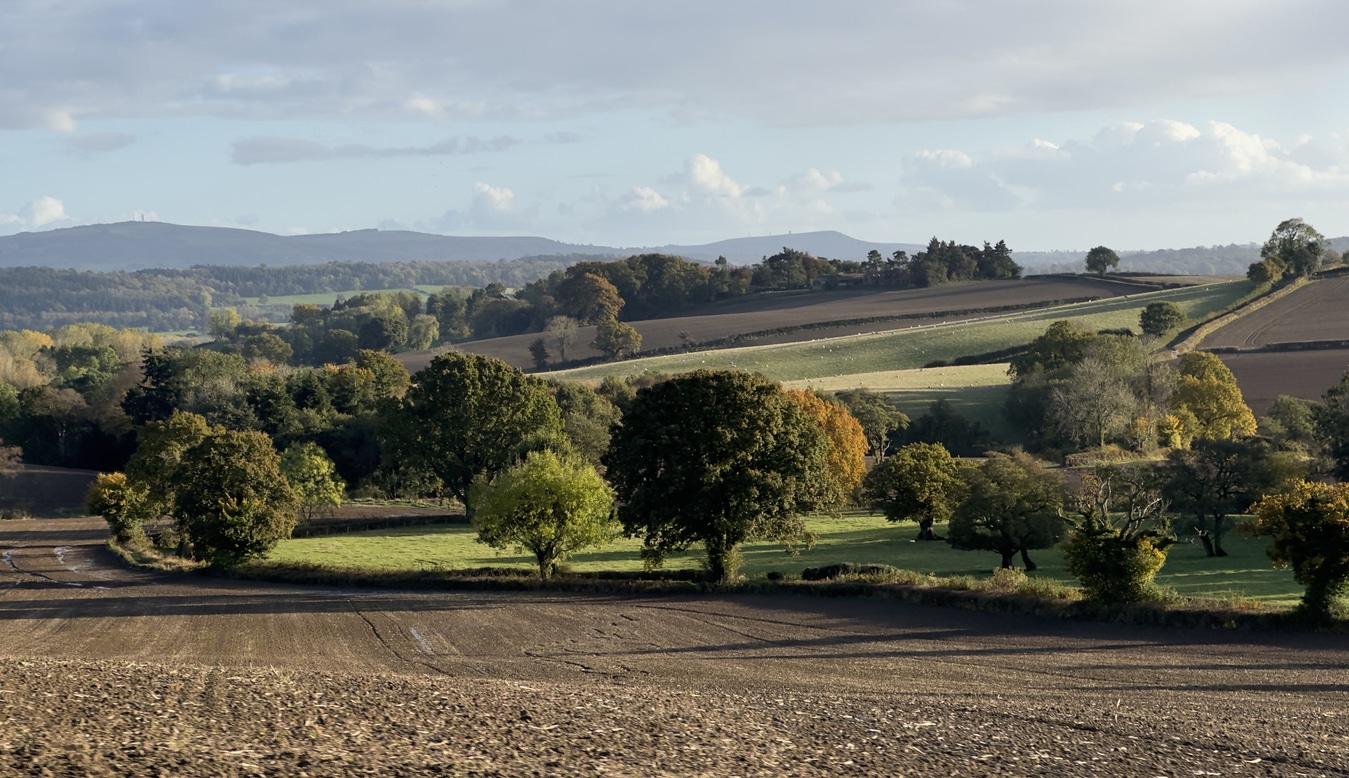

For decades, most Brits thought of farming as an industry of trundling tractors, rolling hills and cute animals. But no more.
Shows like Clarkson’s Farm and the rising profile of farming influencers have blown this sanitised perception of one of Britain’s toughest industries to shreds, and skyrocketed farmers’ cultural capital in the process. No longer are they relegated to early evenings on Channel 5: farmers have gone primetime.
Viewers have seen the reams of paperwork, the mud, the mechanical breakdowns and the constant pressure. They’ve seen just how exposed farmers are to weather, regulation and market forces. It’s rough, ready, and – in a world where everyone has a mile long to do list and financial problems – weirdly relatable.
The result is that farmers have never had it so good when it comes to publicity: everyone understands their world and is interested in hearing from them. For businesses in agriculture, tourism, sustainability, heritage and beyond, this offers huge opportunities to connect with audiences in a direct and authentic way. Here’s why:
Farming is driving the news agenda
As well as dominating the entertainment world, farming is top of the news agenda at the moment.
With big debates around inheritance tax, fox hunting, environmental land management schemes, food security, racism in the countryside, and animal welfare making headlines, few industries are more often in the news.
Across the board, newsrooms always want to hear from authentic voices at the heart of these debates – a role farmers are perfectly placed to fulfil. Add to that a rawness, directness and emotional investment rarely seen from spokespeople in other industries and it’s easy to see why farmers are the perfect people to commentate on so many issues making the headlines.
There’s also bigger picture issues like climate change, Brexit, the environment and international trade which farmers bear the brunt of, making them important spokespeople for features and longer form content too.
The public want escapism
We are spending more time than ever in front of screens, as our work and social lives increasingly play out through devices, leaving people screen fatigued.
Content that offers a window into the countryside and nature is the next best thing to getting outside yourself, making it a popular choice for consumers and therefore content producers.
That does not mean farming content needs to be idyllic. In fact, its appeal often lies in the contrast between beauty and hardship. A storm rolling across acres of wheat is visually arresting, but the fallout that follows is equally gripping.
Farming is woven into British life
Some institutions feel immovable in British life. The NHS. The local pub. And farmers.
As the producers of much of our food and the stewards of our landscapes, everyone has a connection to farmers even if they don’t know one personally.
That emotional stake translates into attention, so when farmers share their experiences in the press or on social media, audiences respond because the subject matter is important to them.
In a world of increasingly fragmented interests and content, farmers are one of the few groups able to truly seize the agenda.
So, if you’re a farmer who hasn’t found their voice yet, what’s stopping you? There’s never been a better time to speak up!
About The Author