
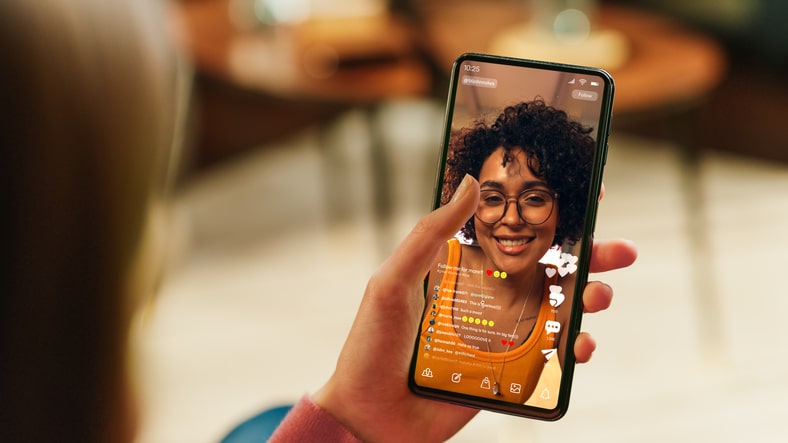

Influencer marketing has become a cornerstone of modern digital strategy, helping brands connect with audiences in a more personal and authentic way. While celebrity endorsements and macro-influencers have traditionally dominated this space, brands are increasingly turning to micro-influencers, individuals with smaller but highly engaged followings, for more effective marketing results. Here’s why micro-influencers often outperform their larger counterparts.
Higher Engagement Rates
One of the most significant advantages of working with micro-influencers is their superior engagement rates. Unlike macro-influencers who may have millions of followers but relatively low interaction on their posts, micro-influencers tend to have stronger relationships with their audiences. Their followers are often genuinely interested in their content, leading to more likes, comments, shares, and overall engagement. This engagement translates into higher trust and better conversion for brands.
Authenticity and Trust
Today’s consumers are increasingly sceptical of traditional advertising. They crave authenticity, and that’s where micro-influencers shine. Because micro-influencers are seen as “people like me,” their recommendations often feel more honest and relatable than those coming from celebrities or influencers with a massive following. Their content isn’t overly polished, and their endorsements don’t feel like ads, which resonates better with audiences seeking real opinions and honest reviews.
Cost-Effectiveness
From a budgeting standpoint, micro-influencers offer a much better ROI than macro-influencers. Engaging a single macro-influencer can cost thousands, if not tens of thousands, of pounds for a single post. In contrast, the cost of working with a micro-influencer is significantly lower, allowing brands to collaborate with multiple creators and spread their message across different segments. This not only stretches the budget but also helps in targeting more niche demographics.
Targeted Niches and Local Influence
Micro-influencers often focus on specific niches, whether it’s sustainable fashion, tech gadgets, vegan food, or pet care. This niche authority means their followers are highly interested in that particular domain, making them more receptive to relevant brand messages. Additionally, many micro-influencers have strong local followings, which is ideal for businesses targeting specific geographic areas. Macro-influencers, on the other hand, have a broader but often less targeted reach.
Easier to Collaborate With
Working with micro-influencers is often a smoother and more personalised experience. They’re more open to creative collaboration, quicker to respond, and more flexible in terms of deliverables. Brands can build long-term relationships with them more easily, turning them into genuine brand advocates rather than one-time promoters.
Final Thoughts
While macro-influencers have the advantage of reach, micro-influencers offer something far more valuable in today’s marketing landscape: authenticity, engagement, and targeted impact. For brands looking to build genuine connections with their audience and maximise ROI, micro-influencers are proving to be the more intelligent, more effective choice.
About The Author