
Fifteen recent crises, unpicked for marketing directors at UK B2C businesses. Real lessons in how the response shapes the damage.

Most lists of PR crises grade the wrong thing.
They line up the cyberattacks, the founder meltdowns, the lawsuits and the bad adverts, and rank them by drama. Which one was worst and which wiped the most off the share price? Which trended hardest. It’s pretty good fun, and it’s not very useful.
The useful bit is to actually grade the response. The incident rarely decides how much damage gets done. The first forty-eight hours of communication does. A boring data leak handled well disappears in a week. A clever crisis handled badly turns into a Wikipedia entry your CEO has to live with.
I’ve spent twenty-eight years in PR, mostly watching brands try and fail to convince customers and journalists they’re sorry. Some of the worst-handled crises of the last two years would have been forgettable with a better first statement. Some of the smartest responses came from brands that had every right to panic. The difference is rarely a strategy on the day. It’s preparation, plus a refusal to put the lawyers in charge of the whole bloody process.
Here are fifteen examples from the last two years, mostly British, all instructive. I’ve grouped them into three themes, because that’s how the patterns actually show up: the cyber and IT crisis era, the brand whose own choices became the story, and the product or experience that let people down. There’s one positive in the mix, because if you only study disasters, you start expecting them, and that gets boring.
If you’re a marketing or Comms director at a UK business and you’ve sat in a board meeting where someone said “what would we do if that happened to us”, this is what you should learn from the brands it did happen to.
How I picked the 15
Each example needs a named brand, not an industry. A specific year. At least one specific consequence I can verify, whether that’s a sales boost, a profit hit, a share price move, a customer count or a media volume number. An on-the-record corporate statement or primary source you can read for yourself, deep-linked in the heading. I ran a UK skew, because the search results for this type of thing are normally dominated by American examples that don’t map onto a British board paper. And recent enough that the people involved are (mostly) still in their jobs.
A few candidates were dropped because they were big stories, but I couldn’t get a clean, verifiable consequence. A few because they were too old to count. A few because the brand still hasn’t said anything on the record. The fifteen below survived all of that.
Theme one: the cyber and IT meltdown era
The story of the last two years in B2C crisis is, mostly, computers refusing to do what they were paid to. Cyberattacks on retailers. Banking outages on payday and suppliers taking down half the high street with a software push that should never have shipped. Customers don’t care about your CISO’s org chart. They care about whether they can buy the thing, and what you say when they can’t.
1. M&S: the cyberattack that ate the trading year (April 2025)
Year: 2025 • Sector: Retail • Outcome: ~£300m+ sales hit, half-year statutory pre-tax profits £391.9m to £3.4m.
M&S spotted intrusion over the Easter weekend 2025. Contactless payments fell over by 22 April, click-and-collect was a few days later, and by 25 April the website was fully offline. Fashion home delivery didn’t fully resume until June. Click-and-collect didn’t restart until August. Months of shuttered storefront for a brand whose operations were usually meant to be best-in-class.
M&S was quick on operational fixes and a tad slow on disclosure. The market spent weeks guessing. Staff were briefed in pieces. A series of dribbled-out statements left journalists doing the company’s communications job for it. Cyber insurance recovered about £100m. Cyber clarity didn’t recover at all.
Every UK newsroom ran it as a rolling story with daily updates competitors gleefully filled – I did feel really sorry for them here. Next raised its profit forecast for the fourth time and openly credited “competitor disruption” on its earnings call. The Times, BBC, FT, Computer Weekly and Marketing Week kept the story on the front page for weeks. The story was always going to be big and if we are honest, it didn’t have to be that long.
Lesson: The damage from a cyberattack is mostly operational but usually costly. The damage to your reputation is mostly the second statement, the one where you finally admit how bad it is.

Read more: ITV News on the £300m hit and Computer Weekly’s one-year-on review.
2. Co-op: when “we refused the ransom” is the story (April 2025)
Year: 2025 • Sector: Retail • Outcome: 6.5m members’ data exposed, ~£206m revenue loss, daily spend down 11%.
I watched this one almost as it was happening. Co-op was hit by the same wave of attacks that took M&S down. DragonForce was blamed, with a third-party access route exploited. The retailer pulled systems offline fast, refused the ransom and worked with the National Crime Agency. Four suspects aged seventeen to twenty were later arrested.
CEO Shirine Khoury-Haq did something that’s becoming rare. She apologised, publicly, on the record, by name. She told the BBC the breach affected all 6.5 million members, full stop, while M&S was still drip-feeding the same story up the road. That single act of clarity changed the tone of media coverage.
Actual media coverage was inevitable, but the narrative bent in Co-op’s favour because the CEO got out front. PRWeek, Computer Weekly and the broadsheets framed it as “Co-op refused to pay, here’s why” rather than “Co-op covered up”. That’s a thirty-degree shift in direction worth millions in earned trust over the year that followed.
Lesson: naming the CEO and the number on day one buys you a different type of headline. Refusing the ransom is good ethics but risky. Saying so publicly is good comms.
For more, the Co-op’s own incident update and BleepingComputer’s breakdown are the cleanest sources.
3. Barclays: a three-day outage on payday (January 2025)
Barclays’ online banking and app fell over from 31 January to 2 February 2025. I am a Barclays customer myself and this was the worst possible three days. Payday landed on the Friday for many. The self-assessment tax deadline landed on the same day. Customers sending money to HMRC couldn’t. Customers expecting wages didn’t get them. More than half of online payments failed across the window.
The bank’s spokesperson apologised on day one, promised that “no impacted customer is left out of pocket” and confirmed within the second news cycle that it was a software fault, not a cyberattack. Compensation: up to £100 a head, case-by-case, eventually around £12.5m in total. The CEO was later drawn into a Treasury Committee review of UK banking IT failures more broadly.
That last bit is the bit nobody plans for. Once a single story has a chart with multiple bank logos on it, it’s no longer your story. It’s a sector story.
Lesson: apologise within the first news cycle. Confirm the cause within the second. Vague reassurance is what looks like a nasty cover-up.
FintechFutures has the compensation pot, YourMoney the plain-English summary.
4. CrowdStrike: the supplier nobody had heard of takes down 8.5 million machines (July 2024)
Year: 2024 • Sector: Cybersecurity vendor • Outcome: 8.5m Windows machines down globally, ~330 UK flights cancelled, ~58% of GP practices disrupted.
On 19 July 2024, CrowdStrike pushed a bad update to its Falcon Sensor security software. Around 8.5 million Windows machines stopped working in what’s been called the largest IT outage in history. In the UK that meant Sky News off air for hours, more than 330 flight cancellations across UK airports, and the NHS’s Emis Web system down across roughly 58% of GP practices.
CrowdStrike’s CEO did the right thing on day one. Public statement with a clear blow-by-blow and operational recovery within days. The company published a thorough post-incident review. Reputationally, every B2C brand that had bet its operations on the same software found out, very publicly, that suppliers can lose you a Saturday.
Every paper carried it. The interesting coverage wasn’t about CrowdStrike itself. It was about Sky, the NHS, BA, Wizz Air, hospitals, GP surgeries and the high street tills. The consumer-facing brands took the heat, not the vendor. Most of them had nothing visible to say about why their supplier choice had broken their business.
Lesson: you inherit your supplier’s worst day. Have something to say about that before it happens, and have the spokesperson briefed before the outage, not during it.

Read more: Wikipedia’s full timeline and ITV News on the UK impact.
5. The high-street IT outage: McDonald’s, Tesco, Sainsbury’s and Greggs in a single week (March 2024)
Over five days in March 2024, four of Britain’s biggest consumer brands had to close stores or stop deliveries. McDonald’s restaurants couldn’t take orders worldwide. Sainsbury’s and Tesco had delivery and till problems over a Saturday. Greggs shut sites in London, Newcastle, Manchester, Cardiff and Glasgow because the tills wouldn’t take payment. None of them coordinated, and that was the second problem.
Each company confirmed a “software issue”, not a cyberattack, and offered effectively nothing else. No timeline, no apology beyond the standard, no acknowledgement that customers might want to know what had gone wrong. The “software update” phrase was almost identical in each statement, which made it sound rehearsed and made customers suspicious.
ITV News, Sky, the Mirror and the Mail ran it as a single rolling story precisely because the brands wouldn’t separate themselves. By treating it as a private operational issue they handed the story to journalists who linked the four brands together in every headline. None benefited.
Lesson: if you won’t tell the story clearly, somebody else will. Vagueness is not a strategy. It’s a vacuum that is crisis management 101.
The AOL summary and NationalWorld’s Greggs-specific piece are useful follow-up.
Theme two: when the brand’s own choices become the crisis
Cyber is exogenous. The crises in this section are all unforced. Brands chose to drop their own values. Brands chose to let the founder run the comms. Brands chose to lean into AI before the audience was ready. Brands chose to pretend that a controversial partner would never be controversial. The B2C marketing director’s job, sometimes, is to be the person in the room saying “are we absolutely sure about this”. These are the brands where nobody was.
6. Bud Light: the Dylan Mulvaney aftermath, now far enough on to judge (2023-24)
Year: 2023 onwards • Sector: Beer • Outcome: $1.4bn lost organic North America revenue, lost America’s #1 beer spot to Modelo Especial.
In April 2023, Anheuser-Busch InBev’s marketing team sent transgender TikTok creator Dylan Mulvaney a personalised Bud Light can to promote a social media campaign. The conservative US backlash was immediate and organised. Bud Light’s sales were down roughly 28% in the first quarter of the boycott, 32% by Q4 2023, and still down ~30% year-on-year in early 2024. That is still shocking to me today.
The CEO took ten days to say anything, then said almost nothing, then “paused” the marketing executives involved. The brand tried to please both sides and ended up pleasing nobody. Modelo Especial took the US number-one spot for the first time in two decades. North America organic revenue plunged $1.4bn in 2023.
Marketing Week, The Drum, AdAge, the FT and HBR all ran year-long inquests. The Bud Light boycott became its own brand-strategy genre. The interesting trade coverage wasn’t about the original campaign at all. It was about the silence afterwards.
Lesson: if you choose a side, defend it. If you don’t, choose silence on purpose. Performing both sides at once is the only strategy that loses with everyone and doesn’t really feel very authentic.

Read more: HBR’s one-year-on essay and Wikipedia’s full timeline.
7. Tesla: when the founder becomes the brand crisis (2025)
Year: 2025 • Sector: Automotive • Outcome: brand value down 36%, Europe sales down 49% YoY in April 2025.
Tesla’s brand value fell 36% in 2025, from $43bn to $27.6bn, the third straight year of decline. European sales collapsed 49% year-on-year in April 2025 while the wider electric vehicle market grew 34%. The cause wasn’t the product. It was the founder’s politics: an advisory role to the Trump administration, public endorsement of Germany’s AfD, support for Tommy Robinson in the UK.
Tesla has effectively no marketing function and the founder has refused to separate his personal politics from the company. There has been no formal crisis statement, no rebrand, no policy. The CFO has mentioned “brand sentiment” on earnings calls. That’s it.
Trade and national coverage flipped over the year from “is this affecting sales” to “this is affecting sales, here are the numbers”. The FT, Marketing Week, Bloomberg and the BBC all treated “Musk is the Tesla brand crisis” as established fact by late 2025. Showrooms in Berlin, London and Stockholm were vandalised. Owners were apologising to neighbours.
Lesson: a founder is a brand asset until the day they’re a brand liability. The transition rarely comes with a warning, and “no comment” never holds.
CNBC on the brand value and CNN on the Europe collapse are the two reads if you want the numbers.
8. BrewDog: a values brand drops its values (January 2025)
In January 2025, BrewDog quietly announced it would stop hiring new staff on the Real Living Wage and move to the lower statutory minimum. Unite the union, the Living Wage Foundation and former staff piled in. By June, ten BrewDog bars had closed, including the original Aberdeen Gallowgate site, where the whole story started in 2010. By 2026, Tilray had bought the UK brewing operations for £33m, with ~484 hospitality jobs going in the deal.
The company framed the wage decision as a cost necessity. It declined to address the contradiction with the public-facing values brand it had spent fifteen years building. Former staff posted publicly. The trade press dug into a fifth straight year of pre-tax losses, by then totalling £148m.
PRWeek, The Drum, Marketing Week, the BBC and the Guardian ran this as a “values brand betrays its values” story for months. The Real Living Wage Foundation made a public statement, which is rare and devastating. The narrative cemented before BrewDog had finished its first proper response.
Lesson: your values are not a marketing asset until you have to defend them in a boring board meeting. That’s when they become real, or expensive.
For more, Spirits Business on the Tilray buyout and Irwin Mitchell’s legal angle.
9. Adidas and Ye: how to exit a toxic partnership in public (2022-25)
Year: October 2022 onwards • Sector: Sportswear • Outcome: €250m Q4 sales hit absorbed, residual stock sold, proceeds part-donated to anti-hate organisations.
In October 2022, Adidas terminated its Yeezy partnership following Kanye West’s antisemitic public remarks. The brand absorbed a €250m fourth-quarter sales hit. By February 2023 it had a deal to sell the remaining $500m of inventory. By 2025, Adidas could say there was “not one Yeezy shoe left”. Painful, slow, and the cleanest exit on this list.
Adidas wrote the decision down in plain English. It promised, and then made, donations from the stock sales to the Anti-Defamation League and other groups. It didn’t pretend the financial hit was anything other than painful. It separated the artist from the asset and explained why every step of the way.
CNN, Variety, Bloomberg and the Wall Street Journal covered the Yeezy wind-down as a continuous, calm story. The donations frame held all the way through. The company never lost control of the narrative because it kept narrating it itself. The financial hit was big. The reputational hit was almost nothing.
Lesson: the clean exit is more valuable than the clever exit. Say what you’re doing, show your working, repeat it. Then keep showing your working.
CNN’s original termination piece and Billboard on the eventual settlement are the two clean sources.
10. Coca-Cola: the AI Christmas advert that asked customers what they thought (November 2024)
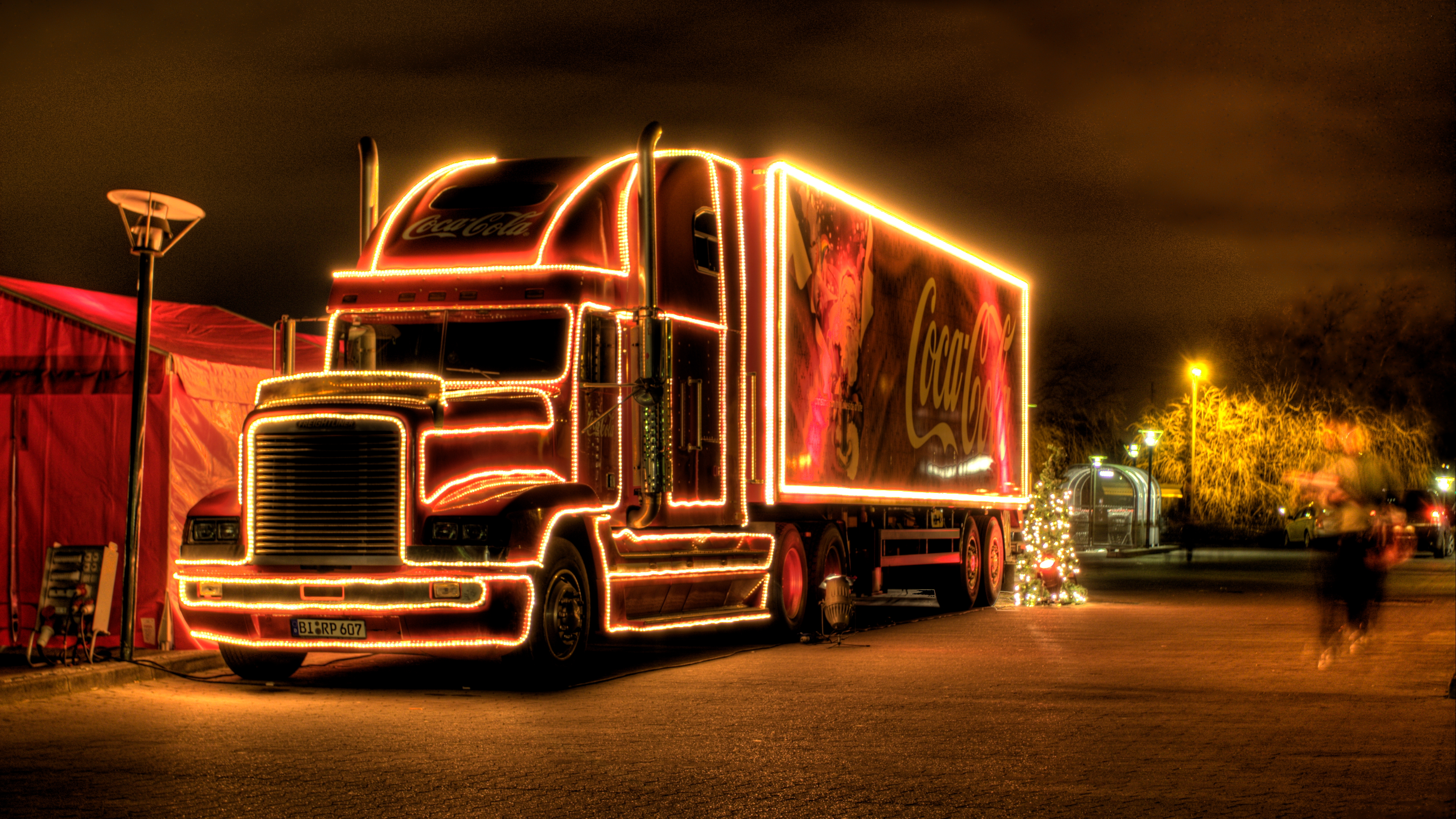
In November 2024, Coca-Cola released a remake of it 1995 “Holidays Are Coming” commercial, generated by three AI studios using four different generative models. The original used real trucks and real actors. The remake didn’t. Critics called the result “soulless”, the lighting cursed, and the tagline “Real Magic” painfully ironic.
Coca-Cola defended the work as “a collaboration of human storytellers and the power of generative AI”. That phrase did almost no work. The company didn’t acknowledge the backlash on its own social channels. It didn’t pull the spot. It didn’t release a “how we made it” piece that humanised the choice. Silence held until the trade press lost interest.
Campaign UK, Marketing Week, The Drum, NBC, AdAge and the BBC ran it as both an advertising story and a culture story. Comments under the brand’s own posts ran roughly ninety-five percent negative. The discourse moved from the ad itself to “is AI the new high-fructose corn syrup”, which is not where any FMCG marketer wants to spend December.
Lesson: “AI assistance” is not a defence. People don’t object to the technology. They object to the inference that you couldn’t be bothered to do the work.
Newsweek on the company’s defence and ContentGrip on the dynamics.
Theme three: when the product, the experience or the brand itself lets people down
The last five are about the product, the event, or the brand’s own slow decline. These are crises where there’s no clever villain. Customers expected the thing to work, the thing didn’t, and the brand has to decide what kind of apology it’s going to be. Three are badly handled. One is a strange mix of disaster and accidental fame. One is the only fully well-handled example in the list, and it’s well worth studying twice.
11. Sonos: the app rewrite that ate the CEO (May 2024)
Year: 2024-2025 • Sector: Consumer audio tech • Outcome: $20m-$30m fix cost, ~6% of staff cut, CEO out January 2025.
I’ve owned Sonos kit since 2018, so this one stung personally before I had to write about it professionally. In May 2024, Sonos shipped a redesigned app that broke essential functions: music library access, sleep timers, volume controls, grouped speakers, downloads. Long-term, high-spend customers couldn’t use the kit they’d paid hundreds of pounds for. Existing speakers became less useful overnight. Forums lit up immediately.
CEO Patrick Spence initially defended the launch as “a better experience”, which made everything worse. By October he was acknowledging mistakes and forgoing his bonus, alongside seven other leaders. The fix was costed at $20m-$30m, and ~6% of staff went. In January 2025, Sonos announced his replacement. Board member Tom Conrad stepped in as interim CEO.
What Hi-Fi?, Wired, The Verge, PCWorld and the FT covered the saga as a slow-motion brand collapse. The customer forums did most of the journalists’ work. Sonos’s most loyal users became its loudest critics, and the trade press picked up their words verbatim. That’s a brand asset turning into a brand liability inside ten weeks.
Lesson: loyal customers are not a defence. They are the people who feel the loss of trust most sharply. Treat them like the most important audience, because they are.

Read more: What Hi-Fi? on the resignation and PCWorld’s blow-by-blow.
12. Willy’s Chocolate Experience: the Glasgow AI fiasco that became a Fringe musical (February 2024)
This one shouldn’t really be on a serious list, and yet here it is and a real favourite of ours in the office. A small Glasgow company, House of Illuminati, advertised an “immersive” Willy Wonka-style experience using AI-generated promotional images that promised an enchanting day out. The reality was a near-empty warehouse, a small bouncy castle, one jelly bean per child and a quarter cup of supermarket lemonade. Parents called the police. The script for the hired actor playing Wonka was, by his own description, “fifteen pages of AI-generated gibberish”.
House of Illuminati apologised publicly and refunded every ticket holder within hours. The owner gave a candid interview the same week. Decent comms, given the circumstances. The brand reputation, of course, was already gone.
The story went global within forty-eight hours. BBC, NBC, Sky, ITV News, the Guardian, the New York Times, Le Monde. An hour-long Channel 4 documentary aired the same year. A musical opened at the 2024 Edinburgh Festival Fringe. A second life as an accidental cultural moment is not a strategy you can plan, but it is one you can ride.
Lesson: if you can’t deliver what your marketing promised, refund first, explain second, and let someone else write the actual comedy. Speed of refund is the only thing that stops “fraud” becoming the headline.
For more, Wikipedia’s full timeline and STV News on the anniversary.
13. Boeing: the door plug that fell off (January 2024)
Year: 2024 • Sector: Aviation manufacturing • Outcome: FAA tightened production oversight, NTSB final report cited “systemic failure”.

On 5 January 2024, a door plug blew out of an Alaska Airlines 737 MAX 9 shortly after take-off from Portland. Decompression, emergency landing, no fatalities but three minor injuries. The NTSB’s final report later concluded four crucial bolts had never been reinstalled at the Boeing factory after a removal at the production line. This does sounds bad I grant you.
Boeing’s initial statements were defensive and technical. The CEO said the right things on safety, but the company couldn’t credibly demonstrate the systems had changed since the two fatal 737 MAX crashes of 2018 and 2019, in which 346 people died. The FAA stepped in with extra oversight and questioned, on the record, whether Boeing could assess the safety of its own planes.
The BBC, FT, Wall Street Journal, NYT and CNN ran it as a Boeing crisis, not an Alaska Airlines crisis. The narrative was almost entirely about Boeing’s safety culture. The NTSB chair told the press there was “a lot of distrust within the workforce”. That sentence, on the record, did more reputational damage than the incident itself.
Lesson: safety crises are won and lost on culture, not statements. Customers can see the difference between “we’re sorry this happened” and “we’re sorry this keeps happening”.
Read more: Wikipedia on Flight 1282 and CNN on the recovered door plug.
14. The Body Shop: how a once-loved brand handled its own ending (February 2024)
Year: 2024 • Sector: Beauty retail • Outcome: ~75 UK stores closed, ~800 jobs lost, restructured rescue under FRP Advisory.
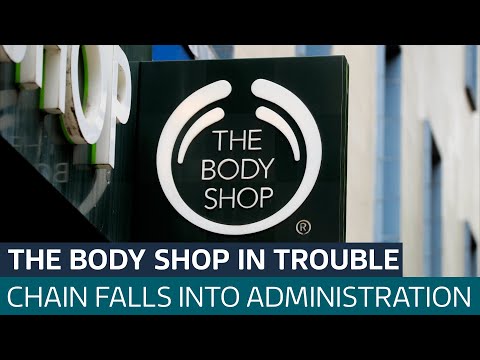
On 13 February 2024, The Body Shop went into administration, two months after private equity firm Aurelius took control. A week later, the administrator confirmed seven stores would shut immediately, and 75 more would close over four to six weeks. Around 270 head office jobs went, plus hundreds of store roles. Around 800 redundancies in total. More than half the UK estate stayed open.
FRP Advisory, as administrator, did the formal communication. The brand itself said little. There was no farewell campaign, no thank-you to customers, no acknowledgement of the brand’s place in the British high street. Founder Anita Roddick’s legacy was left for journalists to write.
Marketing Week, Retail Week, the BBC and Sky covered it as a sad inevitability. The story was sympathetic. Customers wanted to be reassured the brand still mattered. They weren’t. The trade press wrote it as a private equity story rather than a brand story, which it didn’t have to be.
Lesson: decline is a comms event too. The brand should narrate the goodbye if there is one to give. Otherwise, it gets written for you, and not kindly. It was a sad day as I did like the brand and what it stood for sadly people stopped buying.
Read more: Time Out’s full closure list and Retail TouchPoints on the restructure.
15. Jet2: how to ride a meme you didn’t plan (summer 2025)
Year: 2025 • Sector: Holidays and short-haul aviation • Outcome: 18-49 awareness 79% to 93%, ad awareness 19.9% to 55.7%, ~14m flyers in first half (~+750k YoY).
.jpg)
Now I should say I wrote Jet2.com’s social media policy many many years ago and so I do have a fondness for the brand as it is local to me in Yorkshire.
In summer 2025, a TikTok trend used Jess Glynne’s “Hold My Hand” (the soundtrack to Jet2’s advertising) with the “Nothing beats a Jet2 holiday” voiceover as the deadpan caption on videos of airport meltdowns, fights, drunken nights and lost luggage. Roughly 80bn views and 11.8m posts. The original tagline became an ironic punchline for the exact opposite of what it promised.
Jet2 didn’t pull the ads. It didn’t issue a corporate statement. It joined in. CEO Stephen Heapy called the virality “hugely beneficial”. The brand’s TikTok account posted self-deprecating videos. The marketing team ran a £1,000 voucher competition for the best Jet2-themed clips. Loyalty members were encouraged to make their own.
I watched a senior marketing director on a panel last autumn openly call this “pure luck plus pure nerve”. She was half right. The luck was the audio going viral on TikTok. The nerve was the marketing team approving a competition before anyone in legal could say no. Marketing Week, Campaign UK, Euronews, the BBC and the FT all ran it as a “how to ride a meme” case study. Jet2 was named on every panel at every conference about reactive marketing for the rest of the year. It was risky but overall leaning in worked.
Lesson: if the joke is sticky, become the joke. The audience already wrote the script. Your only choice is how cheerfully you read it.
Read more: Euronews on the passenger numbers and Prolific North on the eight-year backstory.
What to take from the list
Five things show up across the fifteen.
First, the first statement decides the next ten. Co-op’s CEO talking publicly on day one bought a different headline. M&S, by drip-feeding, gave journalists the shape of the story themselves. Same incident type, very different earned media outcome.
Second, name the cause. Barclays confirmed “software, not cyberattack” within a day. The March 2024 high-street outage refused to. The Barclays story died inside a week. The high-street story is still cited every time a UK retailer has a till problem.
Third, your values are a balance-sheet item. BrewDog’s Real Living Wage decision was a finance call. The communications cost was massive and predictable. Marketing directors who can’t get into the room where these calls are made will keep inheriting their consequences.
Fourth, founders are a flammable asset 🙈. Tesla’s brand value collapsed without a single product fault. Bud Light’s silence after Mulvaney was treated as cowardice by both sides. Adidas’s clean break from Ye is the counter-example, and it took fifteen months of disciplined messaging to land.
Fifth, the joke beats the apology, sometimes. Jet2 didn’t apologise for what was essentially a customer complaint at scale. It made friends with the complaint. Willy’s Chocolate Experience apologised and refunded, and then quietly let the story become a Fringe musical. Both worked.
The thread running through all of this is preparation. None of these brands invented their response on the day. The ones that came out well had practised. The ones that didn’t, hadn’t. That’s the whole article in one sentence. 🤣
Frequently asked questions
What is a B2C PR crisis?
A B2C PR crisis is any event that threatens to damage a consumer brand’s reputation, sales or customer relationships and forces a public response. It’s measured by impact, not headlines. A cyberattack, a viral complaint, a product recall or a founder’s tweet all qualify if they reach the point where silence becomes more damaging than speech.
What’s the difference between a PR crisis and a PR issue?
An issue is something you can manage privately, often for months. A crisis is something you have to manage publicly within hours. The transition usually happens when a single journalist or creator decides the story is theirs. Treat anything that could go from issue to crisis on a Saturday morning as a crisis already.
How long does a PR crisis usually last?
The acute window for a modern B2C crisis is the first 72 hours. Daily and trade-press coverage typically peaks inside week one. The long tail (analyst commentary, case studies, board papers) runs three to six months. Reputation recovery, if the response was poor, can take three to five years. M&S, Boeing and Bud Light are still being cited as warnings two years on.
What’s the single biggest PR crisis mistake?
Underestimating how much the silence is costing you. Every hour without a named, dated, on-the-record statement is an hour of journalists writing the story for you. The cost of a misjudged statement is recoverable. The cost of no statement compounds, and so does the cynicism that fills the gap.
Should the CEO front the response?
For a serious B2C crisis, almost always yes. Co-op’s CEO did it on day one and the coverage softened. Sonos’s CEO didn’t, and lost his job. The exceptions are operational issues where a named functional spokesperson is more credible. The rule is: the seniority of the response should match the seriousness of the perception.
What’s the best way to prepare for a B2C PR crisis?
Run a real rehearsal at least once a year, using a realistic scenario and a one-hour clock. Draft your holding statement in advance. Map your supplier-risk exposure. Train your spokespeople with people who’ve actually been on the journalist side of the desk. Have a crisis comms agency on speed-dial. The brands that come out of crises well had all four in place a year before they needed them.
How Prohibition can help
We work with B2C and B2B brands on crisis and issues management every week, and on the rehearsals, that mean you never need us in earnest. The Prohibition crisis and issues management team handles live response, statement drafting and reputation rebuild. The crisis management training programme runs spokesperson and board-level workshops with practising journalists in the room.
If you’d rather hear the lessons through other people’s mistakes first, two Embracing Marketing Mistakes episodes are well worth your time: “Three PR Nightmares That Cost Brands Millions” and “The Molly Mae Effect: Salvaging Brand Reputation Through Community Engagement”. Have a listen, then just message us here.
About The Author