
A crisis used to be over once press coverage died down and Google’s front page moved on. It isn’t any more. ChatGPT, Gemini, Claude and Perplexity now answer questions about your brand directly, and there’s real evidence these tools skew negative in a way traditional search doesn’t. Recovery has to be measured by what the AI says now, not just what the papers said.
Why does a “closed” crisis still show up when someone asks an AI about your brand?
We wrote recently about how reputation recovery from a badly handled crisis can take three to five years, and that brands like M&S, Boeing and Bud Light are still cited as cautionary tales two years on. That was true when journalists were doing the citing, writing retrospectives. It’s a different problem when an AI does the citing, automatically, every time someone asks about your brand.
We run our own name through the major AI tools now, the same audit we’d recommend to a client. It turned up more than we expected. Some of it outdated, some of it flat wrong. I won’t go into specifics here, but it changed how seriously we take this internally, and it’s why we’re writing this piece.
The industry is starting to treat this as its own discipline, separate from SEO. Crisis recovery isn’t finished until the AI-search version of the story changes too, not just the news cycle. A reputation-defining story from two years ago can still be the confident answer an AI gives today, long after any human researcher would have moved on to more recent coverage.
Why can two different AI tools say two completely different things about the same brand?
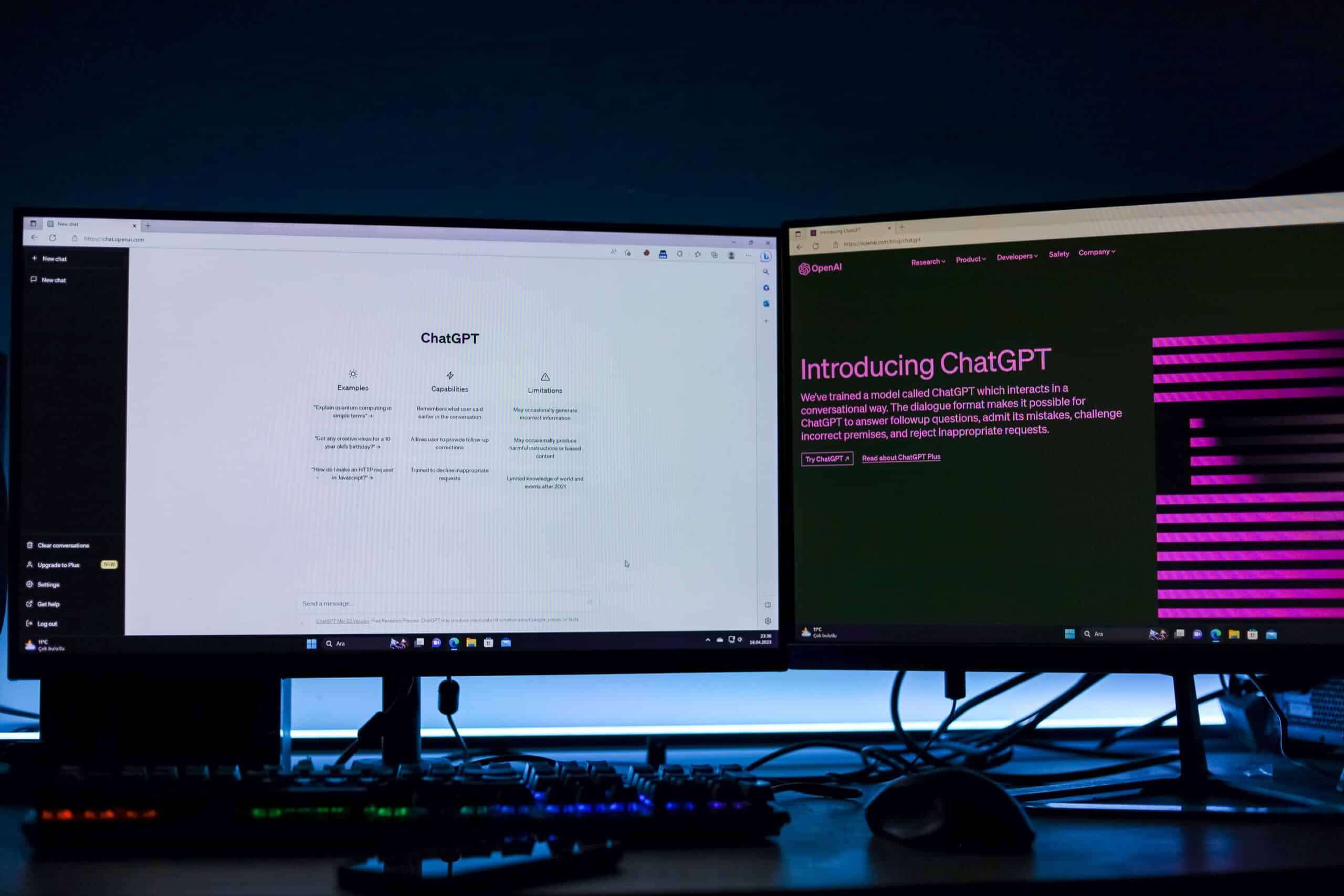
This is the bit that catches marketers out. These tools don’t work the same way, and they don’t say the same thing.
SEO company BrightEdge studied hundreds of millions of prompts across apparel, electronics and education brands and found Google’s AI Overviews were 44% more likely to surface negative information about a brand than ChatGPT was. Google disputed the methodology and put the real gap closer to 1%, arguing AI Overviews reflect what’s already being said across the web rather than generating opinions of their own. Pick whichever number you trust: different AI surfaces still characterise the same brand differently, because they weight and trust sources differently. Google’s AI Overviews lean on whatever’s already ranking in the top ten organic results. Claude’s research tools apply their own source prioritisation and are more likely to surface primary sources and flag where accounts conflict. A brand can be well represented in one tool and carrying a damaging, outdated characterisation in another, at the same time.
A few weeks ago, one of our team asked Perplexity to recommend a PR agency in Leeds. It gave three names back, confidently, in a neat little paragraph. One of those agencies had closed down the year before. Nothing in the phrasing gave that away. It read exactly as certain as the two names still trading. If a general recommendation query can get that wrong, expect the same confident-but-outdated pattern when the query is about your brand’s past.
What happens when the AI’s answer about you is just wrong?
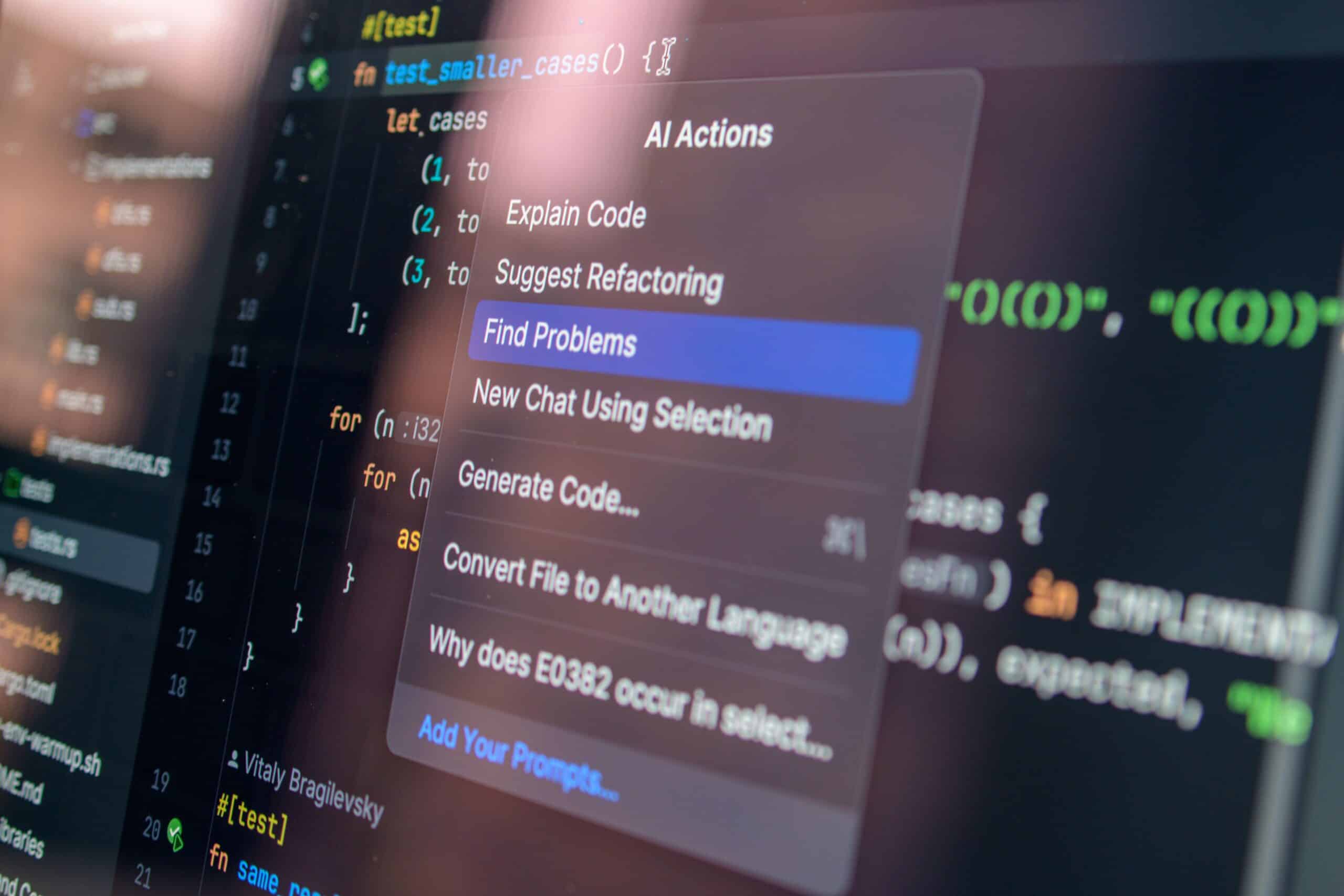
Sometimes the problem isn’t an old story resurfacing. It’s a fabricated one. Walters v. OpenAI, filed in 2023 over a false claim ChatGPT generated about a real person in response to a journalist’s query, was the first reported defamation case brought against an AI company over hallucinated content. That case is still legally unsettled, but AI surfaces have kept producing confident, wrong-sounding claims about brands and executives since. Most never reach a courtroom. They reach the customer, the investor or the journalist doing due diligence, long before the brand finds out.
People working this problem daily will tell you chasing a single correction rarely fixes it. If a poorly sourced Wikipedia entry, an outdated directory listing or an old hostile blog post is what the model is drawing from, fix that source. Asking the AI tool nicely to update its answer won’t touch it.
So what does “crisis over” actually mean now?
A few practical shifts worth building into how you track recovery:
- Add AI answers to your monitoring, not just press cuttings and Google’s front page. Ask the real questions a customer, investor or journalist would ask, across ChatGPT, Gemini, Claude and Perplexity, and check what comes back.
- Fix the source layer, not the symptom. If an AI tool is drawing a bad answer from an outdated or hostile source, that source is the problem to solve.
- Expect inconsistency across tools. One AI surface moving on doesn’t mean they all have.
- Revisit it every quarter, not once. These models update, retrain and re-crawl. A clean answer today doesn’t guarantee a clean answer in six months.
This is new territory even for agencies who’ve done crisis work for years. Our own traffic fell 50% after AI Overviews launched, the same wake-up call every marketing team is having right now. For the broader playbook on getting your brand accurately and favourably represented in AI search, see how to get your business recommended by AI search. This piece is about the sharper end of that problem: what happens when the story AI tells about you is the one you were trying to leave behind.
FAQs
Can a crisis be “over” in the press but still live in AI search?
Yes. Journalists move on to newer stories. AI tools keep citing whatever source they trust most for a given query, which can still be a two-year-old article long after human coverage has moved past it.
Why do ChatGPT and Google’s AI Overviews say different things about the same brand?
They pull from different sources and weight them differently. Google’s AI Overviews lean on top-ranking organic results; other tools apply their own source prioritisation. Ask the same question across each one and you can get genuinely different answers.
What do I do if an AI tool is giving out false information about my brand?
Find the source the model is likely drawing from and fix it there. Correcting the AI’s answer directly rarely holds; the model will re-crawl and pull the same bad source again.
How often should I check what AI tools say about my brand?
At least quarterly. Models retrain and re-crawl on their own schedule, so a clean answer in January isn’t a guarantee for June.
Is this an SEO problem or a PR problem?
Both, but treat it as PR-led. The fix usually means changing what’s actually being said about you across the web, not just optimising a page to rank.
If that’s a live issue for your brand right now, this is exactly where crisis and reputation management and Reputation Guardian come in.
About The Author