 Author Emily SkirrowPosted on Categories Content Marketing, Digital Marketing, Media Relations, Podcast, Public Relations, Social Media, Video Production
For a long time, securing a television or radio interview was the gold standard of broadcast PR. But audiences no longer consume content according to a schedule. Instead, they’re choosing what to watch, when to watch it, and increasingly, where to find it.
As audiences embrace on-demand viewing and listening, broadcasters are following suit. For PR professionals, that means rethinking what broadcast coverage looks like and where brands can have the greatest impact.
Broadcast is following the audience
Traditional broadcasters are no longer solely focused on scheduled television and radio. Instead, they are investing in on-demand platforms because that’s where audiences increasingly consume content. The BBC, for example, has invested in iPlayer and BBC Sounds as core content platforms, rather than simply catch-up services, whilst news organisations are increasingly producing content tailored to digital audiences, largely because of audience behaviour.
Broadcaster-owned streaming platforms, including BBC iPlayer and ITVX, recorded a 9% increase year on year in viewing, whilst live television viewing continues to decline. Meanwhile, time spent watching YouTube on TV sets has doubled since 2022, reinforcing the platform’s evolution from a mobile-first service into a mainstream viewing destination.
Rather than viewing platforms such as YouTube as competitors, broadcasters are increasingly incorporating what they do into their distribution strategies. They increasingly recognise that audiences now expect news and current affairs content to be available on demand, in shorter formats and across multiple devices.
Channel 4 and ITV now distribute both full-length programmes and digital-first content via YouTube, whilst the BBC has expanded its presence through platform-first commissions and a strengthened YouTube strategy aimed at reaching younger audiences.
On-demand creates more opportunities for PR
For PR professionals, this shift is about much more than adding YouTube or podcasts to a media list.
Content is no longer limited to a single live broadcast. One interview can now be repurposed across multiple platforms, continuing to reach audiences long after airing. Success now increasingly comes from creating content that audiences actively choose to engage with on their own terms.
Presenters and broadcasters are realising this too. Holly Willoughby’s move to YouTube reflects a growing trend of established media personalities building audiences beyond traditional television, meeting viewers where they already spend their time.
This shift has also given rise to a new generation of broadcast-style content creators. Interview-led YouTube channels such as The Diary of a CEO are attracting audiences that were once the preserve of traditional television. With long-form conversations and high production values, these platforms have become influential media channels in their own right, offering brands and spokespeople new opportunities to reach highly engaged audiences.
Audiences are following content, not platforms
Perhaps the biggest lesson from this shift is that audiences aren’t necessarily loyal to a particular channel, but instead loyal to compelling content.
Whether that’s a television interview, a podcast, a YouTube series or a video shared on social media, consumers are choosing stories, personalities and expertise over the platform itself.
This is particularly evident in the rise of video podcasts and creator-led content. Broadcasters are increasingly turning audio into visual content and distributing it across multiple channels, recognising that audiences expect flexibility in how they consume media. The shift is being driven by changing consumption habits, with 84% of podcast consumers now engaging with video podcasts in some form.
For brands, this creates more opportunities than ever before to reach audiences across a range of formats rather than relying on a single moment of broadcast exposure.
What food & drink brands can learn
This shift is increasingly visible in the food and drink industry.
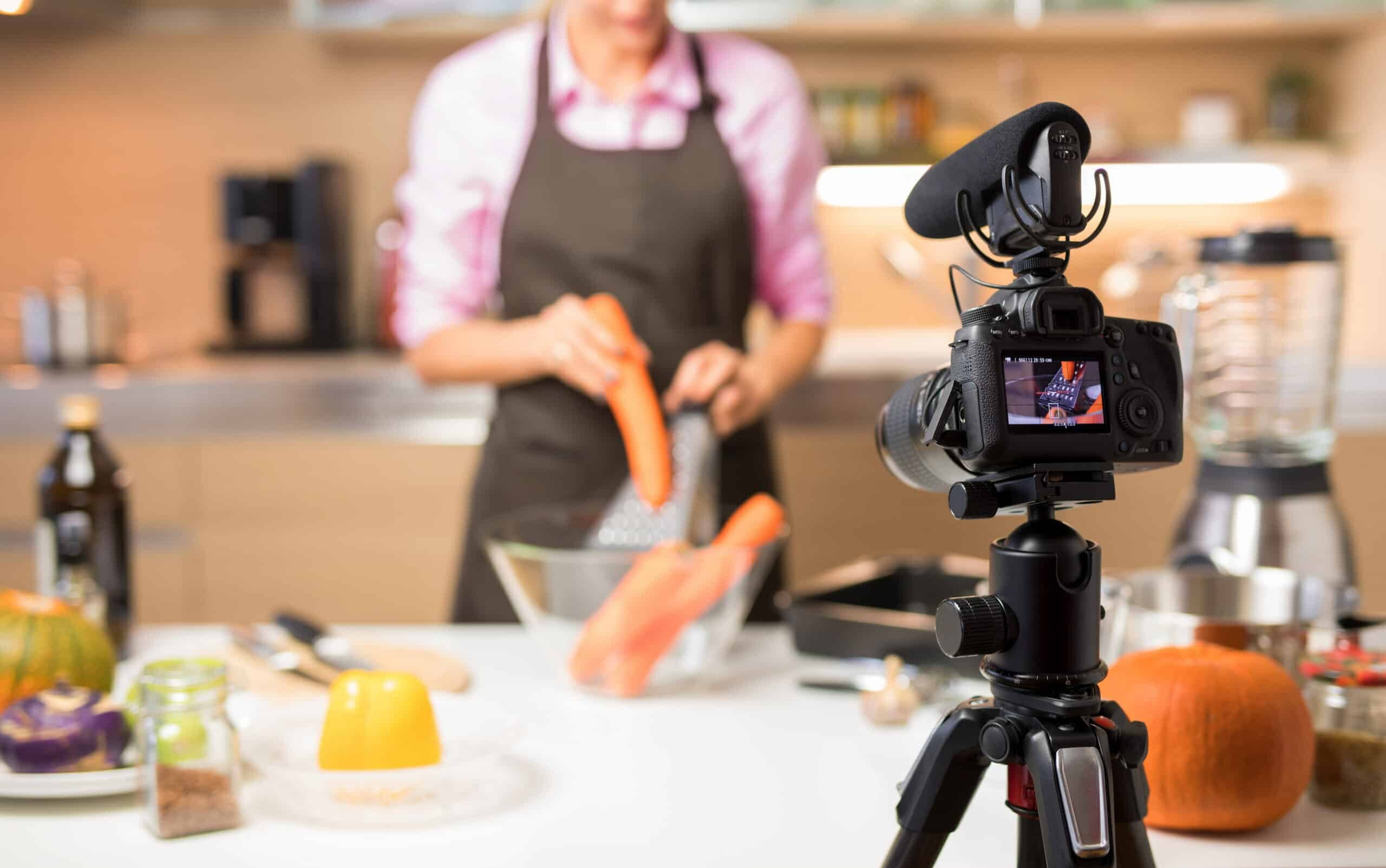
Commissions for traditional cooking programmes across British television have fallen by 44% in the past year. However, audience appetite for food-focused video content still remains strong – it’s simply being satisfied in other places.
Consumers are increasingly discovering recipes, restaurant recommendations and cooking trends through YouTube, TikTok, Instagram and creator-led content. We’ve seen this through our work with Better Eggs, where we’ve helped the brand use social platforms to engage consumers directly and become part of the everyday food conversations.
The reason isn’t that people have lost interest in cooking shows. It’s that audience expectations have changed.
Where traditional television often relies on polished production schedules and long commissioning timelines, online creators can respond to trends almost instantly. Whether it’s a viral recipe, a seasonal ingredient or a new food craze, creators can produce and publish content within days, becoming part of the conversation whilst it’s still relevant.
Viewers are also placing greater value on authenticity. A recipe filmed in someone’s kitchen using everyday ingredients can often feel more relatable. That sense of community and personality is becoming just as important as the recipe itself.
A new recipe for food and drink PR
For food and drink brands, this change presents significant commercial opportunities.
Instead of waiting months to become part of a television production, brands can work with creators, respond to emerging food trends in real time and place products naturally within content that consumers are already seeking out.
On-demand platforms also allow brands to reach highly engaged niche audiences, whether that’s home bakers, high-protein communities or budget-conscious families. Rather than competing for a brief appearance on a traditional cooking programme, brands can become part of ongoing conversations that continue to generate engagement long after they’re published.
The opportunity isn’t simply to replace television with influencer marketing. It’s to recognise that audiences now discover food content across multiple channels, and PR strategies need to reflect that reality.
Broadcast has changed – PR should too
The future of broadcast isn’t about choosing between television and YouTube. It’s about recognising that audiences no longer make that distinction.
Broadcasters are expanding beyond traditional channels, presenters are building communities across on-demand platforms and consumers are increasingly deciding for themselves how they want to engage with content.
For PR professionals, that means thinking beyond scheduled airtime and considering the full ecosystem of on-demand media. Whether that’s television, podcasts, YouTube or creator-led content, the objective remains the same: meeting audiences where they already are.
Broadcast isn’t disappearing; it’s simply being redefined.
Reach out to hello@prohibitionpr.co.uk to learn how we can help your brand stay ahead.
About The Author