
An estimated 30,000 consumer products launch every year, and around 80% fail to meet their objectives. The product usually isn’t the problem – coordination is: getting the media list, the retail date, the influencer outreach and the creative assets all landing in the same window can be tricky to navigate.
Why does a product launch need a checklist?
A launch has more moving parts than most teams plan for: regulatory or compliance sign-off (depending on your sector), a media list built weeks in advance, embargoed samples reaching the right people at the right time, and a release date that holds. Miss one part and the rest of the plan is impacted.
What should be in the checklist?
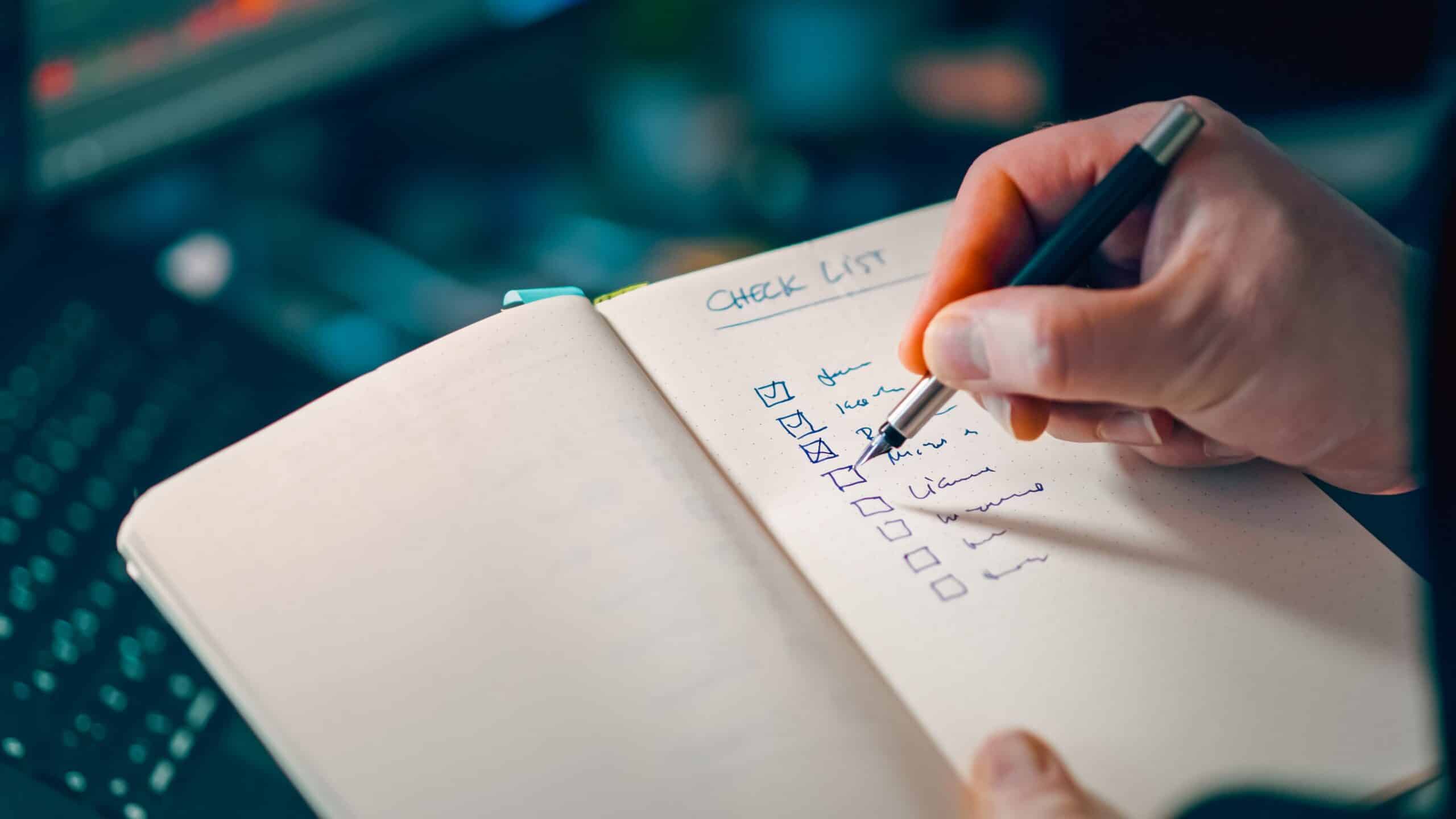
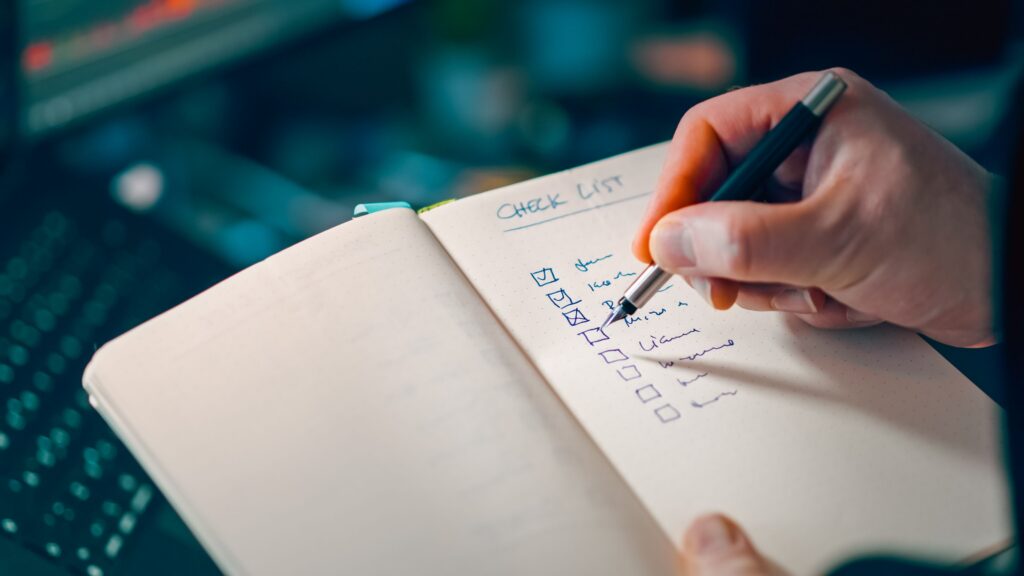
Four phases, built to be filled in rather than read once and filed away:
- 8 to 12 weeks from launch: confirm your story angle, start any regulatory or compliance sign-off your sector requires, check the calendar for clashes, decide your PR strategy, and brief internal stakeholders
- 4 to 6 weeks from launch: build your trade and consumer media lists, confirm your influencer and creator outreach list, book photography and video assets, and set your embargo date
- Launch week: send the release or land the exclusive, dispatch samples, confirm your release date holds, and spread your social amplification across the week rather than the opening morning
- Post-launch: log every piece of coverage, follow up on sales data, seed reviews from your sampling list, repurpose your best coverage, and hold a review meeting four weeks later
The list should also include a media list and a coverage tracker, built once and there to be reused for similar launches after this one.
What does this look like in practice?
Prohibition has run this playbook for launches at very different scales. When C4 Energy entered the UK market, the leading US energy drink brand needed to build awareness fast against established competitors, which meant scroll-stopping content and a coordinated media push rather than a single announcement. On the other end of the scale, Yorkshire Water’s launch of the world’s first poo-powered pub hit international headlines precisely because the story angle, not the product alone, was built into the launch plan from the start.
Neither result came from the product alone. Both came from a plan that had the story, the media list and the timing locked before launch day, not scrambled together during it.
C4 Energy: physical presence from week one
The C4 Energy launch included product packaging, OOH creative and digital ads built specifically for the UK market, alongside social and influencer activity and a full NPD launch for C4 Shots. The creative ran on the London Underground and at WHSmith’s Victoria station, giving a brand new to the UK a physical presence in one of the country’s busiest transport hubs from day one. Follow-on work, including its Spring Campaign and WIT Takeover, has continued to surpass its KPIs.
Yorkshire Water: The Number Two Tavern
Winner, Best Small Budget Campaign, CIPR Awards 2021.
Yorkshire Water needed its zero-carbon target to cut through an audience already numb to sustainability messaging. Instead of a report or a press release, we built The Number Two Tavern, a pop-up pub powered by the company’s own anaerobic digestion process and serving a single drink: water. A press launch brought journalists and senior stakeholders in on day one, backed by a 30-second social video and a targeted paid push to drive local visits.
The campaign generated 19 pieces of coverage reaching 72 million people, with headlines in the US and Europe and features on ITV Calendar, the Daily Express, The Sun, Metro and the Daily Star. The social video hit a 30% engagement rate against a usual 4%.
How do you use this checklist?
Assign an owner and a deadline to every task from the start. A checklist nobody owns is a checklist nobody finishes. Keep the trackers open and updated through launch week rather than rebuilding them afterwards, and hold the post-launch review even when the launch goes well. That’s usually where the insight for the next one comes from.
Get the free checklist
Fill in the form below and we’ll send you the Product Launch PR Checklist, ready to adapt for your next launch.
This is the same structure behind our product launch PR work.
Free PDF. Takes 20 seconds. No obligation.
FAQs
How far in advance should product launch PR start?
8 to 12 weeks out for most launches. Regulatory sign-off and media list building both take longer than teams tend to plan for.
Why do most product launches fail?
Rarely the product itself. Poor coordination between the release date, the media plan and internal sign-off is the more common cause.
Does this checklist work for any sector?
Yes. The phases stay the same; only the specific compliance and sign-off steps change depending on what you’re launching.
What’s the single biggest mistake teams make?
Building the media list after the release date is confirmed, rather than in parallel. By then, the best-placed journalists are often already committed elsewhere.
Do I need an embargo for a product launch?
Usually, yes. An embargo is what keeps coverage coordinated on launch day rather than one journalist running early and the rest passing on a story that’s already public. Set it when you send the release, and confirm it verbally with your top-tier targets rather than relying on the email alone.
What’s the difference between a soft launch and a full PR launch?
A soft launch tests the product with a small audience, often with little or no press involvement, so problems get fixed before the wider release. A full PR launch is built around a fixed date, a media list and a coordinated push across press, social and paid. Most consumer brands benefit from both; B2B launches can often go straight to a controlled release.
How much does product launch PR cost?
It depends on scope. What tends to drive the budget is creative production, the amount of media relations time involved, and whether you want paid amplification behind the coverage once it lands. It’s worth a proper scoping conversation before you fix a launch date.
About The Author