 Author Tom HornPosted on Categories Content Marketing, Digital Marketing, Public Relations, Social Media, Tips and advice
The food and beverage sector is one of the toughest to cut through in. It’s chaotic and competitive with the tightest of margins, but if you win, you win big.
So, in an extremely noisy industry, how do you get heard? You might think the answer is simple: produce a great product and shout about its virtues – probably the flavour, sustainability or provenance – and watch the sales flood in. If only.
In today’s market, having a great product with strong USPs is essential, but not enough. Your eggs or milk may be the best in the market, but to a consumer they look exactly the same as every other product on the shelf if you don’t find ways of proving otherwise.
The most successful food and drink brands are those that realise this and build a wider narrative around their brand, usually through PR and social media content.
All Things Butter
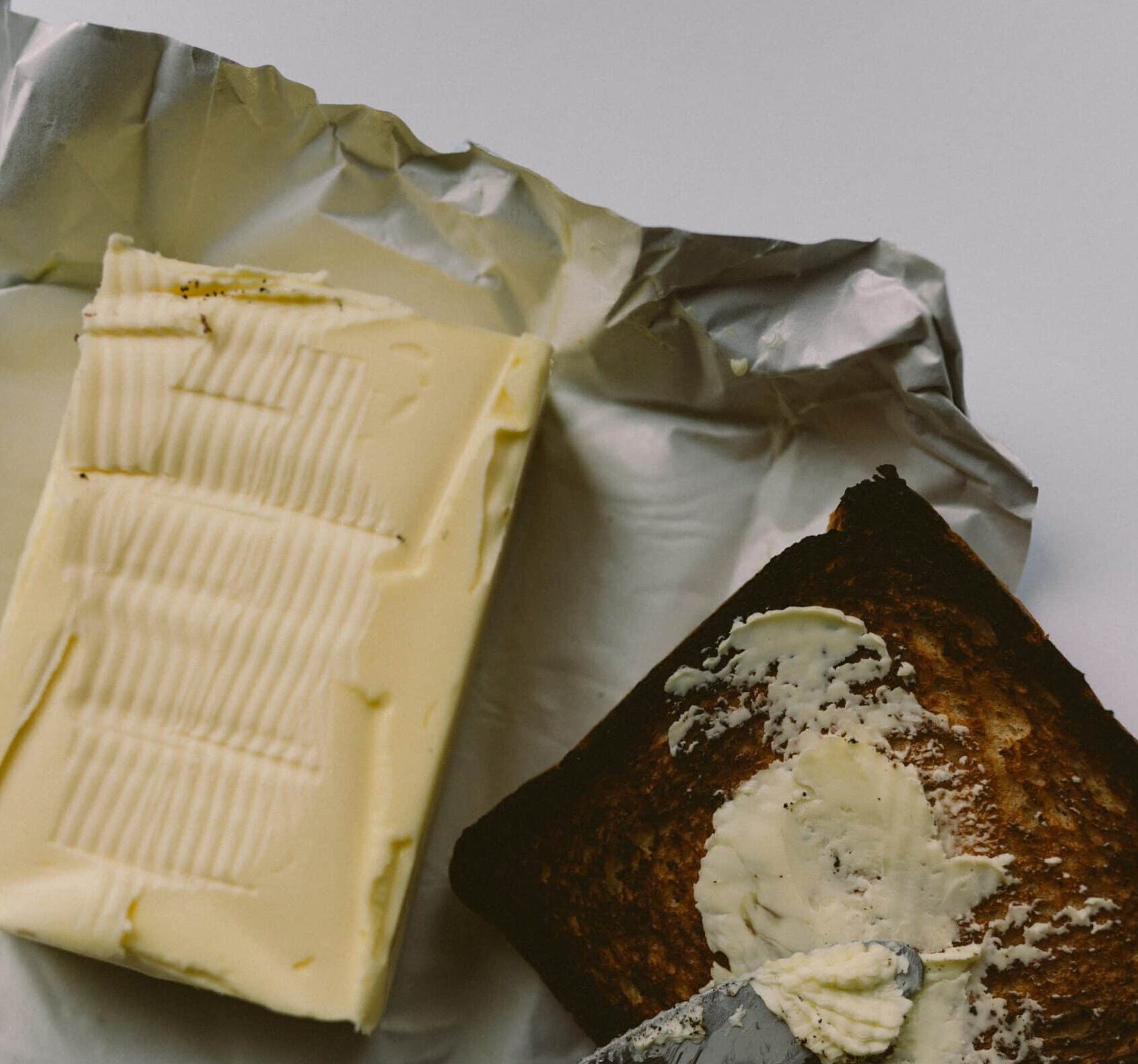
There are few better examples of this than All Things Butter. Founded in 2023, the premium dairy brand has expanded fast and furiously by building a brand perfect for the modern market, and now has listings across the major supermarkets.
How did it do it? It started with a great product and a straightforward message: 100% British butter, twice churned, “no nasties,” in a few different flavours (salted, garlic, chocolate, cinnamon). So far, so good, but not distinctive enough to cut through.
Like all great food and drink brands, the strength of the brand was the engine of success.
Its first secret was using bold fonts and bright colours – purples, reds, and blues rather than the traditional but boring gold foil. This made its packaging instantly recognisable and signalled to stockists that this was no run-of-the-mill butter brand.
It also built brand loyalty and resonance through an innovative content campaign. Fronted by co-founder and professional chef Thomas Straker, who already had a substantial social following, the brand jumped on trends and made an everyday product, butter, look visually appealing.
Most significantly, the All Things Butter team didn’t market butter as a kitchen staple, they presented it as an aspirational lifestyle product.
Through recipe content; luxurious aesthetics; a focus on the special occasions butter is used at (dinner parties, big get togethers); and a laser like focus on their core audience (young foodies with disposable income), the team built a dedicated community of followers and a distinctive brand identity that left everyone saying: I can’t believe it’s just butter!
How do I do this for my brand?
The All Things Butter formula is a useful one for all food and beverage brands. Here are the top three rules to follow if you want to get cut through:
1. Start with a great product
This stage can’t be skipped. However you market it, your product still needs to taste great and have USPs which give people a reason to pick you over another brand. Whether that’s cost, quality, sustainability or all three doesn’t really matter, but you must have at least one or two distinctive selling points to work with.
2. Think about the story behind your brand
Showcasing the personalities behind a brand are a great way of enabling people to connect with you. Yes, written information about where your product comes from and how you produce it is important – of course I care if something is organic! – but showing people this with their own eyes through a video or interview packs so much more of a punch.
Behind the scenes and brand storytelling content is a great way of showing this. If consumers understand who you are and why you do what you do so well, they’re far more likely to engage with you.
3. Think emotionally
Don’t tell consumers why your product is good, show them how it will make them feel.
If you’re an egg brand, show them how they can use your product at a wholesome brunch. If you sell cocktails, create the summer party you’d love to see them served at. Consumers will resonate with this more than the intangible list of facts and figures they see on every supermarket shelf.
Think about when and where they’ll use it (or when and where you want them to), and try to tap into that. In the end, food and drink marketing isn’t really about food and drink at all. It’s about helping people to connect with your brand and understand how it fits into their everyday life.
If you want to learn more about food and drink marketing, visit our page.
About The Author