
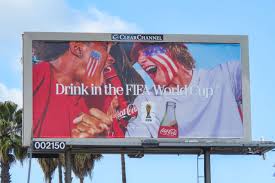

If you don’t shoot, you won’t score. And when it comes to the FIFA World Cup, brands are already lining up their best chances.
The World Cup has always been a commercial powerhouse, but the 2026 tournament already feels different. Hosted across North America and backed by some of the world’s most recognisable brands, it’s shaping up to be one of the most commercially significant sporting events ever staged.
While official sponsors will dominate advertising space, PR offers brands the opportunity to join the conversation and tap into the World Cup without spending millions.
- Chime Into Existing Fan Conversations
Brands are finding ways to become part of discussions that fans are already having: Coca-Cola’s partnership with Panini taps into decades of football nostalgia, whilst Adidas has leaned heavily into its heritage, reminding fans of its long-standing connection to the game.
These campaigns work because they build on emotional connections that already exist. For brands looking to generate coverage, engaging with football culture, nostalgia and fan traditions can be far more effective than simply referencing the tournament itself.
- Using Influencers and Ambassadors
Football’s biggest stars continue to attract huge audiences, making ambassadors and influencers a valuable PR tool.
Stella Artois has turned to David Beckham, while Nike has built anticipation through a carefully managed rollout of footballing talent and celebrity partnerships. These campaigns allow the brands to access established footballing audiences and create opportunities for conversation.
- Consumer Behaviour
Some of the most effective campaigns focus less on football itself and more on how people experience the tournament.
John Lewis has taken this approach by building activity around the way fans come together to watch matches at home. By focusing on consumer behaviour rather than the sport itself, the brand has created a campaign with relevance beyond the pitch.
- Connection Between Football and Your Expertise
Not every business has an obvious link to football, but that doesn’t mean they can’t benefit from the World Cup.
Canadian airline Air Transat demonstrated this by comparing the cost of travelling to destinations with the cost of attending the tournament. The World Cup wasn’t the story. Travel costs were.
Rather than forcing a football connection, look for the natural intersection between the tournament and your industry expertise.
A World Cup PR Success Story: Specsavers
One of the best examples of World Cup PR came during the 2014 tournament, when Specsavers capitalised on a high-profile mistake by England goalkeeper Joe Hart.
Using its famous “Should’ve Gone to Specsavers” slogan, the brand reacted quickly to a moment that football fans were already discussing. The campaign generated widespread media coverage, social engagement and industry recognition.
What made it so effective was its simplicity. It was timely, relevant and completely aligned with the brand’s identity. It also demonstrated the power of reactive PR, proving that a clever idea delivered at the right moment can often outperform campaigns with far larger budgets.
About The Author