


Attention is the new currency.
As people rethink where they are spending their time and attention online, influencer marketing is changing with them. In the past, brands measured success by reach, impressions, and engagement, favouring creators with the biggest audiences for one-off campaigns. But bigger isn’t always better anymore. Today, brands are shifting their focus from audience size to long-term partnerships, and creators who can drive credible results, not just views.
Recently, we can see this approach shifting, and with social media becoming increasingly saturated and feeds being flooded with ads, we’re seeing consumers becoming more selective about who they trust and where they lend their attention. Rather than following broad, general-interest influencers, many people are gravitating towards creators who have built highly engaged communities, whether that’s food creators who focus on gluten-free recipes or book creators who focus on one specific genre.
For food and drink brands, for example, consumers are much more likely to trust a recommendation from a creator who genuinely understands their tastes, dietary requirements, or lifestyle.
Targeting Niche Communities on TikTok
From communities such as “BookTok” and “CarTok” to fitness creators, skincare experts, and fashion commentators, influence is becoming increasingly hobby and interest-driven. With 71% of consumers trusting creator recommendations over traditional ads, the people shaping purchasing decisions now are often not those with the largest audiences, but those with the strongest credibility within a particular niche. Yet despite this shift, many brands are still chasing reach over relevance and it’s one of the biggest mistakes we see in influencer marketing today.

Creators are usually viewed primarily as a distribution channel. Brands partner with influencers because they have an audience, and the larger that audience is, the more valuable the partnership appears. We’re seeing influence shift away from numbers and reach and more towards expertise, trust, and relevance.
Consumers are looking for recommendations from people who genuinely understand their interests and challenges. Whether it is a skincare creator explaining the science behind a product’s ingredients, and sharing their personal skin journey, or a “BookTok” creator reviewing their latest reads and honest opinions, audiences place greater value on creators who bring experience and authenticity to their content.
As followers engage with creators over time, they form a bond and gain a deeper understanding of their lifestyle, values, and experiences. This familiarity strengthens trust and influences how audiences perceive their recommendations and opinions. Audiences consume content, whereas communities participate in conversations.
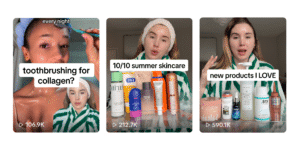
Community members ask questions, share experiences, exchange recommendations, and actively engage with the creator and one another. As a result, they are often more likely to take action when a trusted creator recommends a product or service.
How to Partner with Niche, Trusted Creators
Partnering with trusted voices within these niche communities can often generate more meaningful engagement and stronger conversions than working with creators who have much larger, but less connected, followings. While larger influencers may offer reach, niche creators can offer something more valuable to your brand.
A recommendation from someone recognised as a knowledgeable and trusted figure within a specific field often carries far greater weight than a promotional message delivered to a broad audience with weaker connections.
How do I leverage niche creators for my brand?
Ultimately, influencer marketing is no longer about speaking to the most people – it’s about speaking to the right people, in the right way. Brands that prioritise trust, relevance and long-term partnerships will see greater returns than those still chasing vanity metrics.
If you’re rethinking your approach to influencer marketing, it’s worth considering whether you’re choosing creators for their reach or their influence.
Learn more about how you can utilise influencer marketing in your strategies here.
About The Author