
Store openings never stop. Retail brands open new locations every year, and most treat each one as a one-off rather than a repeatable process.
A new store opening is a genuine news moment, but only if you plan the PR with the same rigour as the shopfit. Get the timing wrong and you end up with a beautifully fitted-out store that opens to silence.
Why does a store opening need its own PR plan?
A product launch has weeks of lead time and a single embargo moment to hit. A store opening has a fixed, immovable date set by the landlord and the shopfit schedule, real-world logistics that don’t move for anyone’s press day. That means your media list, your influencer outreach and your launch-day format all have to be built around a date you don’t control.
What should be on your store opening PR checklist?
Three phases, each with a different job to do:
- Pre-launch (8 to 10 weeks out): confirm the story angle beyond “new store opening,” build a regional and trade media list, identify local opinion formers and influencers who fit the brand, and decide your launch format early. Sometimes a smaller, more personal experience does more for the brand than a big crowd-pulling event
- Launch week: brief journalists and influencers ahead of opening day, run a press day or preview event, and spread social amplification across the week instead of front-loading everything into the opening morning
- Post-launch: log every piece of coverage and every backlink, track footfall against your pre-launch benchmark, and hold a review meeting whilst the launch is still fresh enough to be useful for the next one
What does this look like in practice?
In May 2021, Carvela briefed Prohibition to launch its first boutique outside London, in Leeds’ Victoria Quarter, alongside relocating the neighbouring Kurt Geiger store into a larger space in the same arcade. The UK was still emerging from lockdown at the time, so a traditional in-store launch event wasn’t appropriate.
Instead of one big crowd moment, the team built a more targeted approach: personal, one-on-one experiences for opinion formers, influencers and journalists.
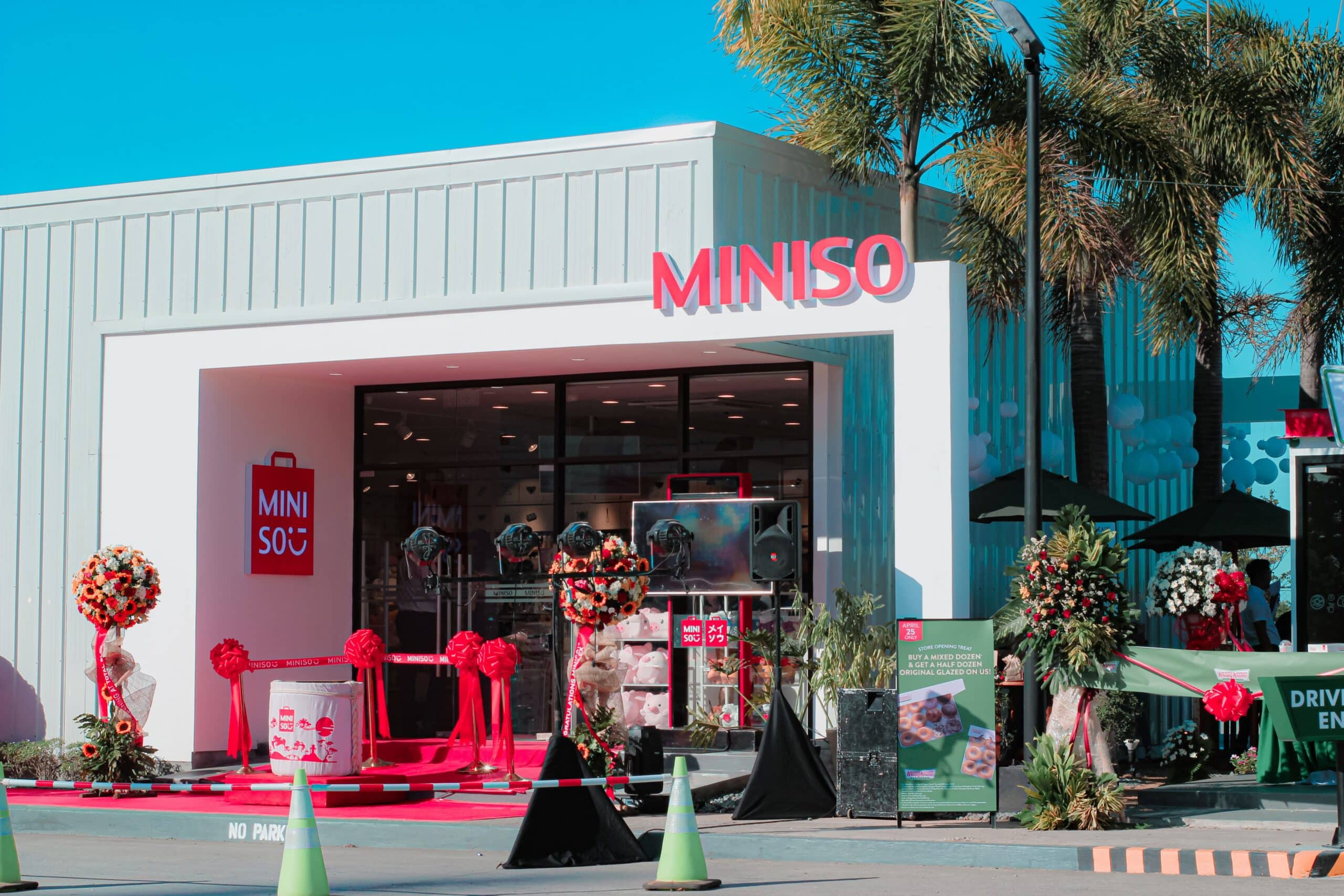
That decision paid off. The results: 32 backlinks, a social media reach of 700,000, 122 pieces of social coverage, and media coverage reaching over half a million readers.
Choose the launch format that fits the specific moment you’re opening into.
How do you use this checklist?
Start the media list and influencer outreach the moment you have a confirmed opening date, before the shopfit is even finished. Assign someone to own coverage tracking from day one, so nobody’s rebuilding it from memory after the fact, and don’t skip the post-launch review just because the opening went well. That’s usually where you find out what to change for the next one.
This is the same structure we bring to retail PR launches, as part of our wider PR services.
Get the free checklist
Ready to plan your own store opening? Download the Store Opening PR Checklist and start your media list before the shopfit is even finished.
Free PDF. Takes 20 seconds. No obligation.
FAQs
How far in advance should you start PR for a store opening?
8 to 10 weeks out. Media lists and influencer outreach both take longer to build properly than most retail teams account for.
Do you always need a big launch event?
No. A smaller, more personal format can outperform a large event, particularly when the goal is credible word of mouth over pure footfall on day one.
What should you track after a store opening?
Coverage volume, backlinks, social reach and footfall against your pre-launch benchmark. Track it from day one; the numbers get much harder to piece together once the launch buzz has died down.
Does this apply to a single store or a multi-location rollout?
Both. The checklist scales down for one store and repeats cleanly across a multi-location rollout, which is exactly why it’s worth building once and reusing.
About The Author