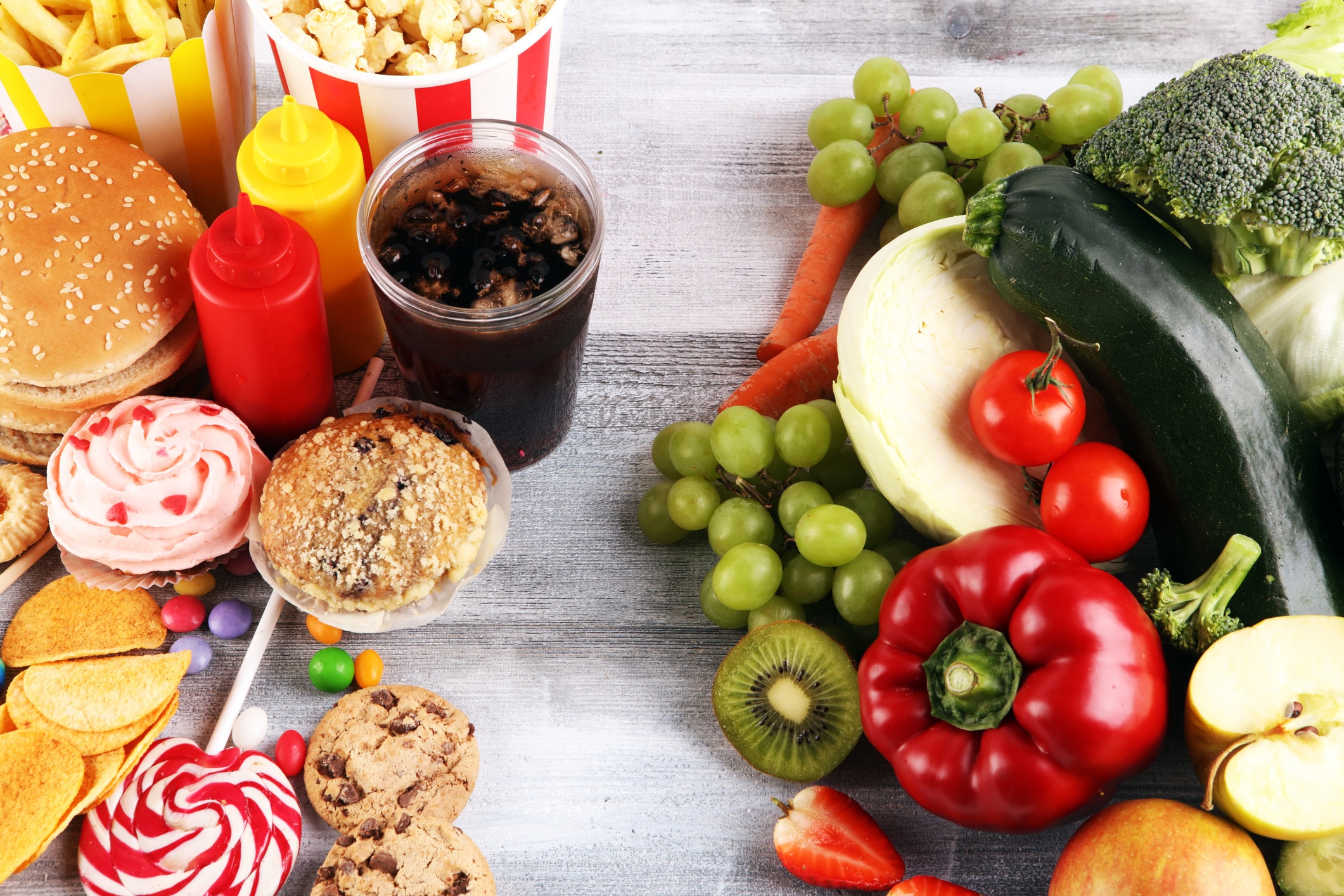

A few years ago, most people probably couldn’t have told you what a UPF was – it’s ultra-processed foods, by the way. Now the term is everywhere.
It’s in newspaper headlines, supermarket conversations, TikTok videos and documentaries. In fact, Joe Wicks: Licensed to Kill is only the latest example of a conversation that has steadily moved from nutrition circles into the mainstream.
What happens when a food trend becomes a behaviour shift
What I find interesting isn’t necessarily the debate itself, but how quickly it has changed the way people think about food.
Food that’s sat in the cupboard for years without a second thought is suddenly being questioned. Whether it’s a loaf of bread, a breakfast bar, or your favourite packet of crisps, products people have bought hundreds of times are now being turned over in supermarket aisles, as consumers scan ingredient lists and wonder whether they’re making the right choice.
Whether that’s a good thing or not is a conversation for nutritionists. What’s harder to ignore is how complicated food suddenly feels, especially with the growth of apps like Yuka and MyFitnessPal.
Part of this comes down to the fact that the UPF conversation isn’t especially straightforward. Research published in The BMJ linked higher UPF consumption with a range of adverse health outcomes, but much of the public conversation has reduced a complicated subject to a much simpler question: is this food good or bad?
The problem is that most people don’t really shop that way. They buy food that fits their lifestyle, often prioritising convenience or affordability. Food choices have to fit around school runs, commutes and whatever else the week throws at them. Most consumers aren’t standing in Tesco thinking about food classification systems – they’re just trying to work out what’s for dinner.
That’s why the conversation feels different from previous food trends. We’ve seen ingredients fall in and out of favour before: fat had its moment, then came sugars, carbs and red meat. This time, however, is that the scrutiny stretches across huge parts of the supermarket, rather than focusing on one single ingredient. Entire categories are being questioned, and that has implications far beyond nutrition.
The real opportunity lies in clarity
For marketers like us, the UPF debate is another example of a much wider shift. We know consumers are reading more, researching more and questioning more than they used to. Whether it’s food, sustainability, wellness or value, people increasingly want brands to justify the choices they’re making. The challenge is that more information doesn’t always create more confidence.
In fact, it often creates the opposite.
That’s why some of the most interesting responses to the UPF conversation haven’t come from brands trying to explain the science, but from brands making products easier to understand.
Marks & Spencer is a good example. Rather than launching a huge campaign around UPFs, the retailer introduced products with fewer ingredients and made that information far more visible on a pack. Instead of asking shoppers to turn products over and work through ingredient lists, it brought the information front and centre. The message was simple: here’s what’s in it.
What’s clever here is that it acknowledges a growing consumer concern without completely reshaping the brand around it. M&S isn’t trying to become a nutrition campaigner, it’s responding to a shift in consumer behaviour and making decision-making easier for shoppers.
By simplifying product information which already exists, it’s giving shoppers confidence when many already feel overwhelmed!
Not everyone needs to join the conversation
The instinct for brands is often to react to whatever conversation dominates the news cycle. Suddenly every product needs a new position, campaigns feel very similar with repeated language, and the sector feels flooded with brands fighting for space in the conversation. But consumers are surprisingly good at spotting that.
A cereal brand doesn’t suddenly need to become a wellness brand, just like an indulgent snack doesn’t need a lengthy defence of its existence. Most shoppers understand perfectly well where certain products fit into their lives, the struggle lies in the mixed messages around these products.
The brands likely to navigate conversations like UPFs successfully won’t necessarily be the ones shouting the loudest about processing, ingredients or health credentials. They’ll be the ones helping consumers make sense of an increasingly noisy category. Because ultimately, this isn’t really a conversation about processing, it’s a conversation about confidence.
People want to feel confident in the products they’re buying, the brands they’re choosing and the decisions they’re making for themselves and their families.
That’s probably why the UPF debate has gained so much traction. It isn’t asking consumers to rethink a single ingredient it’s asking them to question foods they’ve known for years. In a market where consumers are questioning more than ever, the brands that make life feel simpler may have the strongest advantage of all.
For food and drink brands, the challenge isn’t always having more to say. Sometimes it’s finding ways to make increasingly complicated decisions feel simpler for consumers. If that’s something you’re thinking about, get in touch: hello@prohibitionpr.co.uk.
About The Author