Media Training Agency for UK Spokespeople, Executives & PR Teams
Prohibition PR provides bespoke media training for organisations that need their spokespeople to communicate clearly, confidently and credibly under pressure. Our media training sessions help CEOs, senior leaders, PR teams, communications teams and subject-matter experts handle interviews with journalists across TV, radio, print, podcasts, online media and live broadcast environments.
Whether you are preparing for a product launch, a corporate announcement, a sensitive issue, a media opportunity or a reputational risk, our award-winning media specialists help you shape your message, answer difficult questions and represent your organisation with confidence.

Bespoke Media Training for Organisations That Need to Get the Message Right
A strong media interview is rarely improvised. It comes from preparation, message discipline, practical rehearsal and the confidence to stay calm when questions become challenging.
Our media training courses are built around realistic interview practice, not generic presentation theory. We help your team understand how journalists think, what makes a story newsworthy, how interviews can shift direction, and how to keep control of your message without sounding scripted.
Every session is tailored to your organisation, your sector, your audience and the media scenarios you are most likely to face. That might mean preparing a CEO for a broadcast interview, helping a PR team handle tough questioning, coaching a spokesperson before a major announcement, or giving senior leaders the skills to respond during a crisis.
Our media training can help your team:
- Communicate clearly with journalists
- Prepare for TV, radio, print, podcast and online interviews
- Develop strong key messages and soundbites
- Handle hostile, difficult or unexpected questions
- Build confidence in front of a camera or microphone
- Improve body language, tone, pace and delivery
- Prepare for crisis media situations
- Protect brand reputation during public scrutiny
- Speak with clarity, authority and credibility
Who Needs Media Training?
Media training is useful for anyone who may need to speak publicly on behalf of an organisation. That includes people who are already experienced with interviews and those who are preparing for their first media opportunity.

CEOs and Senior Executives
Senior leaders are often expected to represent the organisation during major announcements, broadcast interviews, crisis moments, thought leadership campaigns and industry commentary.
Our corporate media training helps executives communicate with authority while staying clear, concise and human.
Spokespeople and Subject-Matter Experts
Technical experts, academics, consultants, clinicians, product specialists and internal spokespeople often have deep knowledge, but that knowledge needs to be translated into language journalists and audiences can use.
We help subject-matter experts simplify complex ideas without losing accuracy.
PR and Communications Teams
In-house PR and communications teams need to understand how interviews work, how stories develop and how to prepare spokespeople effectively.
Our PR media training supports comms teams with message development, interview preparation, journalist questioning, crisis response and practical media handling techniques.
Public Sector, Higher Education and Regulated Organisations
Some organisations face additional scrutiny because of their public role, regulatory environment or stakeholder responsibilities.
Media training helps teams prepare for interviews where accuracy, sensitivity and trust are essential.
Organisations Preparing for a Specific Media Moment
Media training is especially valuable before:
- TV, radio, print and online interview practice
- Key message development
- Hostile question handling
- Crisis media training
- Body language and camera confidence coaching
- Soundbite development
- Media handling for spokespeople
- Group workshops and one-to-one executive coaching
- Remote and in-person media training
Media Training Formats
Every organisation is different, so our media training can be shaped around your team, your timetable and your objectives.
Half-Day Media Training Workshops
A focused session for individuals or small groups that need practical interview preparation, message development and confidence-building.
Full-Day Media Training Courses
A more detailed training format for teams that need deeper preparation, multiple interview simulations, crisis scenarios or more extensive feedback.
One-to-One Executive Media Coaching
Individual coaching for CEOs, founders, directors, senior leaders or spokespeople preparing for a specific interview or public media moment.
Group Media Training Sessions
Practical training for PR teams, communications teams, leadership groups or multiple spokespeople who need a consistent approach to media handling.
Remote Media Training
Remote media training can be delivered for individuals or teams who need flexible interview coaching, video-call media practice and message feedback.
This is particularly useful for distributed teams, fast-moving media opportunities or spokespeople who need support before an upcoming interview.
In-Person Media Training
In-person sessions can be arranged for organisations that want practical group coaching, live interview simulations and face-to-face feedback.
Prohibition PR is based in Leeds and supports organisations looking for media training in Leeds, Yorkshire and across the UK.
What Our Media Training Services Include
Our media training services are practical, interactive and designed around real media pressure. Delegates do not just learn what good media handling looks like. They practise it, review it and improve it during the session.
Mock TV, Radio, Print and Online Interviews
Your spokespeople will take part in realistic mock interviews based on the media situations they are likely to encounter. These can include TV-style interviews, radio interviews, print interviews, telephone interviews, podcast interviews, online media interviews and live Q&A scenarios.
Each interview is designed to test message clarity, confidence, structure and the ability to respond under pressure.
Key Message Development
Before speaking to the media, your team needs to know exactly what they want the audience to understand, remember and believe.
We help you refine your core messages so they are clear, concise and usable in real interviews. This includes shaping proof points, simplifying complex information, removing jargon and developing memorable phrases that work for journalists and audiences.
Crisis Media Training and Media Response Training
When an issue becomes public, the first few media responses can shape how the story develops.
Our media response training helps spokespeople prepare for crisis scenarios, reputational risks, hostile questioning and fast-moving news cycles. We work through the likely questions, pressure points and stakeholder concerns so your team can respond quickly, accurately and professionally.
This is especially valuable for organisations preparing for sensitive announcements, regulatory issues, operational incidents, complaints, negative press coverage or public criticism.
Body Language, Camera Confidence and Delivery Coaching
What you say matters. How you say it matters too.
Media audiences judge confidence, credibility and trust through tone, pace, facial expression, posture, eye contact and body language. Our trainers help delegates understand how they appear on camera, how to avoid distracting habits and how to deliver answers with authority.
This is not about creating a false persona. It is about helping your spokespeople look and sound like the best version of themselves.
Media Handling and Difficult Question Training
Journalists are not there to follow your script. They may ask direct, uncomfortable or unexpected questions, especially during sensitive stories or high-pressure media moments.
Our media handling training teaches delegates how to stay calm, respond clearly, bridge back to key messages, avoid common interview traps and answer challenging questions without becoming defensive or evasive.
Soundbite and Quote Development
Good media comments are concise, memorable and useful to journalists.
We help delegates develop quotable lines, short explanations and soundbites that communicate the message without oversimplifying the issue. This helps your organisation increase the chance of being quoted accurately and represented clearly in coverage.
Brands That Trust Us for Media Training


Corporate Media Training for Interviews, Announcements and Crisis Response
Our corporate media training gives senior teams and spokespeople the practical skills to handle media attention with confidence. We help delegates understand what journalists need, how to prepare before an interview, how to communicate under time pressure and how to stay composed when questions become difficult.
Sessions can be tailored for one spokesperson, a senior leadership team, a group of regional spokespeople or an in-house communications function.
Typical corporate media training scenarios include:
- CEO broadcast interview preparation
- Senior leadership media coaching
- Crisis media response preparation
- Financial or business announcement interviews
- Product or service launch interviews
- Reputation management interviews
- Trade media interviews
- Stakeholder-sensitive communications
- Campaign spokesperson training
The aim is simple: your team should leave the session better prepared, more confident and more capable of representing your organisation in front of journalists.

Why is media training important?
Improved communication skills
Media training can help you develop the skills you need to communicate your message clearly and effectively, whether you’re speaking to a journalist or a potential customer.
Increased confidence
By providing you with the tools and techniques you need to succeed in media settings, media training can help you feel more confident and prepared when facing the media.
Better media opportunities
When you’re able to communicate your message effectively, you’re more likely to get positive media coverage and to have your message reach a wider audience.
Crisis management
Media training can also help you prepare for and respond to crisis situations, ensuring that you’re able to handle difficult situations with ease and professionalism.
Going Beyond Verbal Communication
It’s not just about what you say, body language also plays a massive part in how you are perceived by the media, whether it be a presentation to various senior journalists or for a one-to-one interview.
Our courses teach you how to use body language to your advantage in this process, ensuring you give off the best impression possible before you’ve even spoken a word.
Why Choose Prohibition PR as Your Media Training Agency?
Choosing the right media training agency matters. You need trainers who understand PR strategy, journalist behaviour, reputation management, interview pressure and the realities of modern media.
Prohibition PR combines practical media experience with strategic communications expertise. Our consultants have worked across PR, comms, social media, content, reputation management and media relations, giving delegates a rounded view of how media interviews fit into the wider communications landscape.

Experienced Media Trainers
Our award-winning consultants Chris Norton and Will Ockenden have more than 45 years of experience across the media, PR and communications landscape, including agency and in-house roles.
That experience allows us to create realistic training, ask the right questions and give feedback that is grounded in real media situations.
Trusted by UK Brands and Organisations
We have trained hundreds of brands since 2009, including Oxford University, Durham University and Primula.
Our experience covers organisations of different sizes, sectors and communications challenges, from proactive media opportunities to sensitive reputation issues.
Award-Winning PR and Communications Expertise
Prohibition PR is a multi-award-winning PR, communications and social media agency. The agency was named PRCA’s Medium Sized Agency of the Year in 2022.
That means our media training is not delivered in isolation. It is informed by live PR strategy, media relations, content, crisis communications and reputation management experience.
Practical Training, Not Generic Theory
Our sessions focus on what delegates need to do in real interviews.
We do not rely on abstract theory or one-size-fits-all advice. We build sessions around your organisation, your message, your sector and the media situations your team is likely to face.
What Happens During a Media Training Session?
Our sessions are practical from the start. We focus on the real situations your team may face and build the training around your organisation’s goals, risks, messages and audiences.
Briefing and Scenario Planning
We begin by understanding your organisation, your media objectives, your audience and the type of interviews you are preparing for.
This helps us tailor the session around realistic scenarios, likely journalist questions and the messages your team needs to communicate.
Message Review and Development
We review your existing messaging and identify where it can be sharpened. This often includes simplifying complex language, clarifying the strongest proof points, creating usable soundbites and helping delegates understand which messages matter most.
Interview Simulation
Delegates practise realistic interviews with journalist-style questioning. Depending on your needs, this can include TV, radio, print, podcast, telephone or online interview formats.
The aim is to recreate enough pressure for delegates to improve in a safe, constructive environment
Playback, Feedback and Coaching
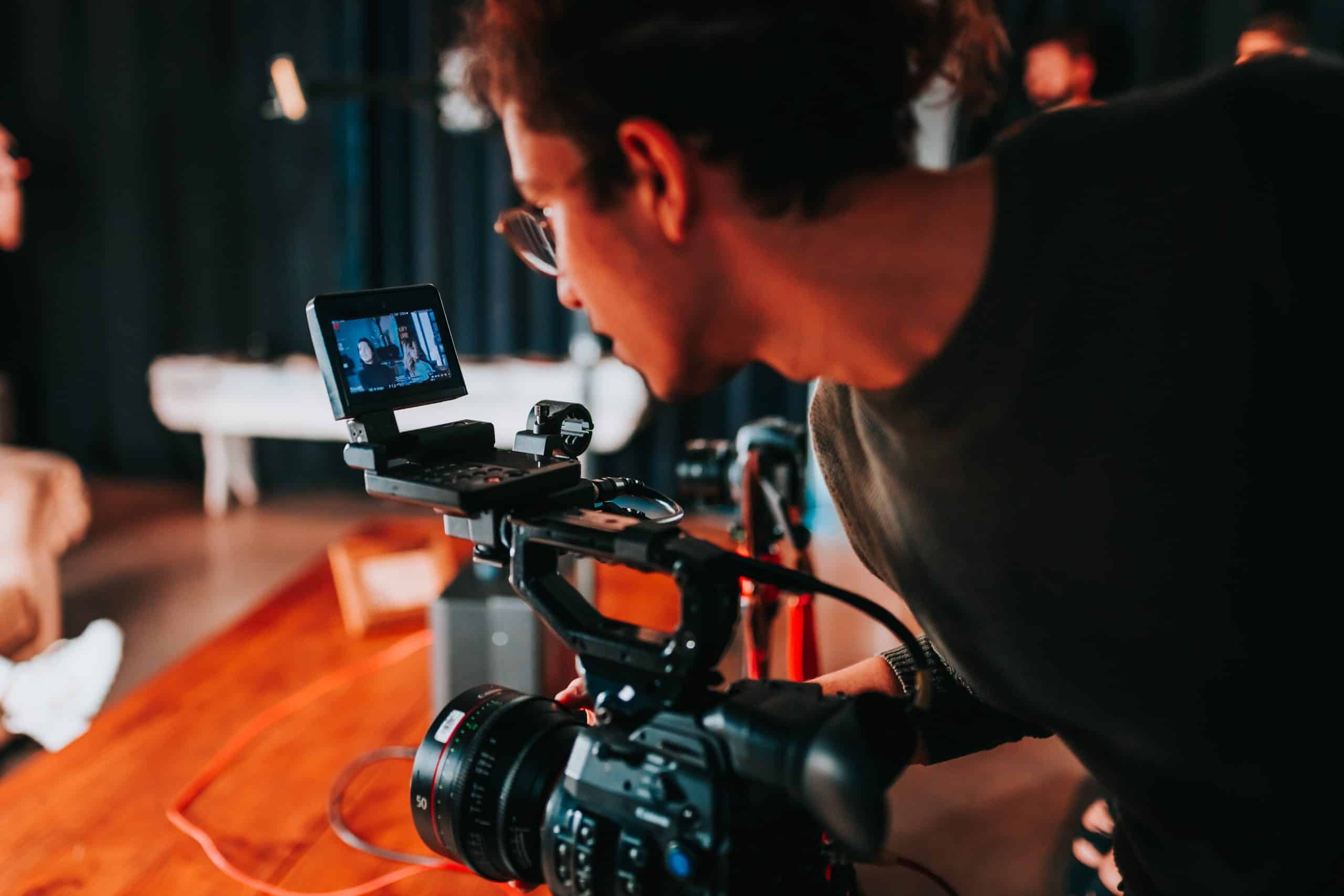
Where appropriate, interviews can be recorded and reviewed. This allows delegates to see how they come across and receive clear feedback on message delivery, body language, tone, pace, clarity and confidence.
We focus on practical improvements that delegates can use immediately.
Difficult Question and Crisis Practice
If your organisation may face challenging media scrutiny, we can include hostile question practice and crisis interview scenarios.
This helps spokespeople learn how to respond without being drawn into speculation, defensive language or unclear answers.
Practical Action Plan
Delegates leave with clear techniques for preparing future interviews, structuring answers, staying on message and handling challenging questions.
The goal is not just to perform well during the training. It is to build lasting media confidence.
Media Training in Leeds and Across the UK
Prohibition PR is based in Leeds and provides media training for organisations that need practical support with interviews, media handling and spokesperson preparation.
We can support teams looking for:
- Media training in Leeds
- Media training in Yorkshire
- Remote media training
- UK media training for spokespeople
- Corporate media training for senior leaders
- PR media training for communications teams
- Media handling training before interviews or announcements
Whether you need to prepare one senior spokesperson or a wider team, we can build a session around your goals, risks, audience and upcoming media activity.
What is media training?
What does a media training course include?
At Prohibition PR, every session is tailored to your organisation, sector, spokespeople and likely media scenarios.
Who should attend media training?
Do you offer corporate media training?
Do you provide media training in Leeds?
Can media training be delivered remotely?
What is media handling training?
It is especially useful before difficult interviews, sensitive announcements or crisis communications situations.
What is media response training?
How long does media training take?
Why use a media training agency?
Working with experienced media trainers gives your team realistic practice, direct feedback and practical techniques they can use in real interviews.
Further Training
- Communications TrainingCommunications TrainingRead more
- Crisis Management TrainingCrisis Management TrainingRead more
- Social Media TrainingSocial Media TrainingRead more
- Media TrainingMedia TrainingRead more
- AI TrainingAI TrainingRead more