Case study · Food & Drink · B2B
Fentimans wanted more of the UK’s big hospitality groups stocking its botanical soft drinks. We turned its industry trends report into a LinkedIn and trade PR campaign aimed at the people who decide what goes on the bar. It delivered 1,079 sales leads for the Fentimans sales team.
- 1,079 sales leads
- 2M people reached
- 5,163 unique engagements
- 15+ pieces of trade coverage
- Client Fentimans
- Sector Food & Drink
- Services Lead generation, paid social, trade PR, content
- Audience Decision-makers at UK hospitality and retail groups
- Channels LinkedIn ads, gated content, trade press
- Model Account-based marketing
What did Fentimans need?
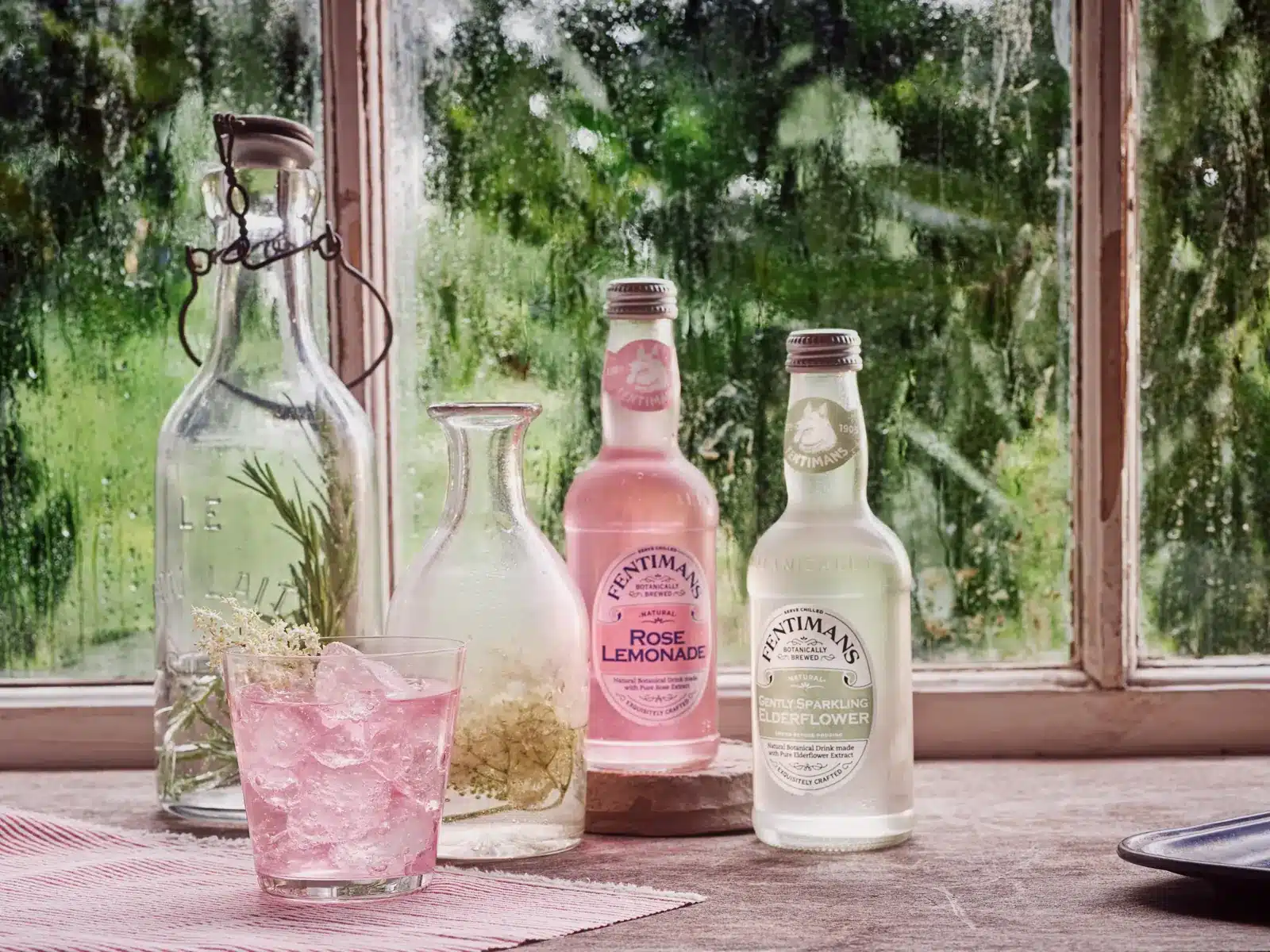
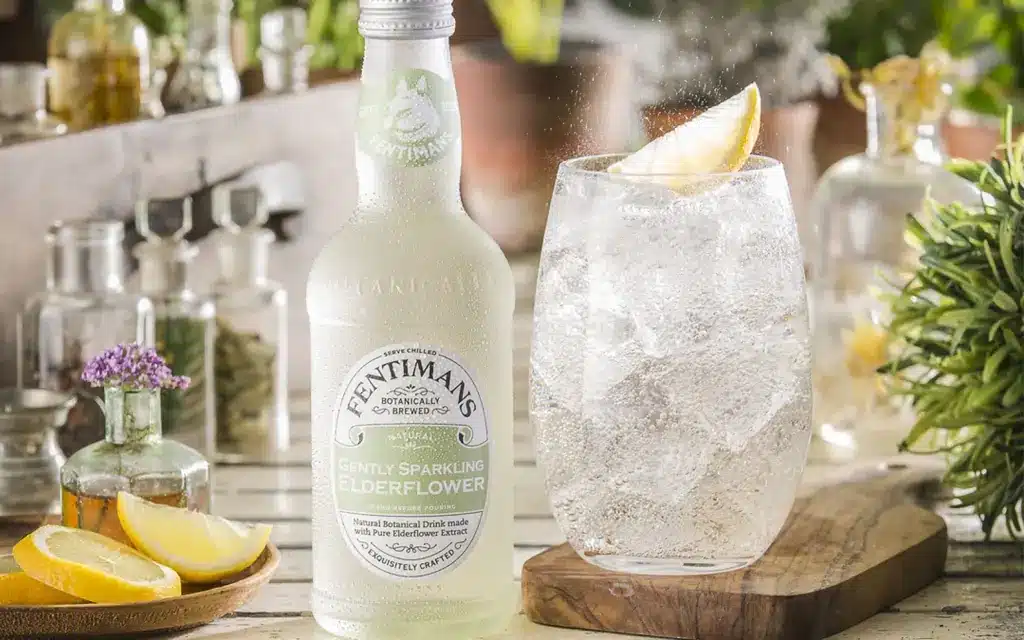
Fentimans makes botanically brewed soft drinks and mixers. It wanted to grow its out-of-home business, which means more listings with the major hospitality and retail groups that run bars, pubs and restaurants across the UK.
Brand awareness alone would not do that. The sales team needed conversations with the people who decide what goes on the menu.
- Business objective: grow Fentimans’ out-of-home business with priority hospitality and retail groups.
- Communication objective: raise consideration among decision-makers and capture qualified leads the sales team could follow up.
What was the insight?
Buyers don’t want another sales pitch. They want insight they can use in their own business.
Fentimans had already produced an industry trends report on the hospitality market. That report was the reason to start a conversation. The price of reading it was an email address.
What did we do?
- Gated the report. Every download became a named contact in the Fentimans CRM.
- Targeted roles, not categories. LinkedIn ads reached senior, white-collar roles at key hospitality brands rather than a broad drinks audience.
- Backed it with trade PR. The report’s findings earned 15+ pieces of coverage in hospitality and drinks trade titles, giving the ads a credible backdrop.
- Focused on priority accounts. The campaign was built around the groups Fentimans most wanted to win, moving them down the sales funnel towards a conversation.
What did it achieve?
Results by stage of the AMEC evaluation framework, with the source for each figure.
| Stage | Measure | Result | Source |
|---|---|---|---|
| Outputs | Trade coverage | 15+ pieces | Prohibition coverage log |
| Outputs | People reached | 2M | LinkedIn Campaign Manager |
| Out-takes | Unique engagements | 5,163 | LinkedIn Campaign Manager |
| Outcomes | Sales leads captured | 1,079 | Fentimans CRM |
| Impact | Campaign KPIs | All exceeded | Prohibition campaign reporting |
What did Fentimans get from it?
A pipeline, not a cuttings file. The sales team gained 1,079 named contacts at the businesses Fentimans wanted to sell to, held in its own CRM and ready to work.
“Prohibition are a dedicated, but fun, creative collective to work with who are able to deliver tangible results.”
What did we learn?
- Useful content earns the right to sell. A report buyers wanted opened more doors than an ad for the product would.
- Target the job title, not the industry. Reaching the people who choose the range kept the leads relevant.
- PR and paid work harder together. Coverage made the report credible. Ads gave it reach.
- What we would do differently: agree lead scoring with the sales team at the start, so we can report how many leads became listings.