 Author Harry WatsonPosted on Categories Content Marketing, Digital PR, Media Relations, Public Relations
When Andy Burnham accidentally renamed a Greggs pastry live on radio, it became a national news story. Weeks earlier, the much-loved bakery had pulled Mexican-inspired products from its English stores ahead of England’s World Cup clash with Mexico, sparking conversations across the country. In 2025, Sainsbury’s turned the Lionesses’ victory over Spain into one of the most talked-about reactive ads of the Summer, whilst Morrisons launched a Grand Slam doughnut for Wimbledon 2026.
However, none of these brands created the original moment. They simply recognised an opportunity that already had the country’s attention and moved quickly enough to become part of the story.
In an era where every brand is fighting for a share of the conversation, this agility is what increasingly separates the campaigns that make headlines from the ones that disappear into the social media void.
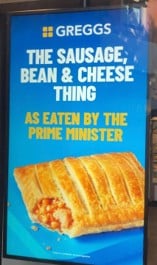
Greggs and “The Sausage Cheese & Bean Thing”
Last month, Prime Minister Andy Burnham revealed his favourite Greggs order during an LBC interview but couldn’t quite remember its name, instead referring to it as “the sausage, bean and cheese thing”.
Within hours, Greggs had adopted the wording on screens at its Manchester branch, generating widespread coverage and a reported sales increase for the product.
This is a perfect example of why the best reactive opportunities are often hiding in plain sight.
The story wasn’t the interview itself. It was the throwaway moment people remembered afterwards set within the wider context of Andy Burnham’s approach of opening up throughout the summer about his favourite foods and gave insight to his general lifestyle.
Too many brands focus on the headline. Greggs spotted the detail that people were actually talking about and built a second story around it, creating an engaging moment.
Greggs Benches Its Mexican Menu
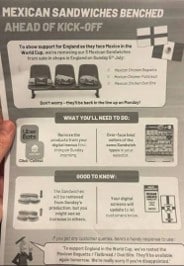
If the Burnham story showed Greggs reacting to politics, the Mexico stunt showed how effective the brand has become at reacting to national events more broadly.
Ahead of England’s World Cup fixture against Mexico, the bakery temporarily removed Mexican-inspired products from English stores, declaring they had been “benched” for the game.
What I found interesting about this wasn’t necessarily the joke itself. It was the fact Greggs was willing to change something real and create a tangible moment capable of unifying fans.
A lot of brands produce reactive content around major sporting moments. Much fewer change products, menus or customer experiences because of them.
That’s often the difference between social content and news.
Sainsbury’s Reacts to the Lionesses
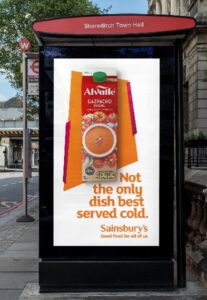
When England beat Spain in the 2025 Women’s Euros final, Sainsbury’s quickly deployed digital outdoor creative assets featuring gazpacho alongside the line:
“Not the only dish best served cold.”
The reality is that campaigns like this are usually prepared before the final result is known. Creative routes are developed, approvals are secured and plans are put in place.
Tunnock’s Becomes a Cultural Icon
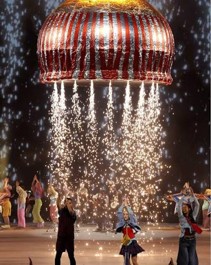
There was also something fascinating about the role Tunnock’s ended up playing during the Glasgow 2026 Commonwealth Games.
A giant Teacake closing the opening ceremony should, on paper, sound ridiculous. Instead, it felt completely natural and at home representing Scottish culture.
I think that’s because Tunnock’s occupies a space that very few brands ever reach. It’s no longer just a product- it’s become part of Scotland’s cultural furniture and a national icon.
That’s difficult to manufacture and even harder to measure, but it explains why a confectionery brand could find itself at the centre of a national sporting event without anyone questioning why it was there.
That’s why the moment generated coverage far beyond traditional food and drink media.
M&S Creates the Conversation
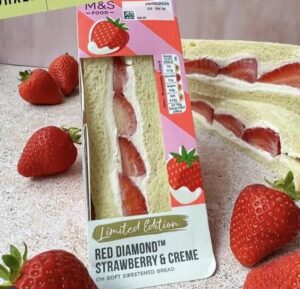
Unlike the other brands here, M&S wasn’t responding to a result, interview or ceremony. It put the story into the news itself.
The strawberries and cream sandwich arrived during Wimbledon, when the country was already eating, watching and talking about the same summer tradition.
On paper, it was a questionable lunch. In practice, that was exactly its purpose. But it got people engaged and arguing over whether it had any controversial right to exist.
M&S understood that the product didn’t need to please everyone; it just needed to be familiar enough to recognise and strange enough to discuss.
By changing the format of something already tied to the British summer, it gave journalists a ready-made taste test and the public an opinion to share.
The Bigger Lesson
What connects all of these examples isn’t politics, sport or culture. It’s relevance and authenticity.
Greggs didn’t wade into politics. It picked up on a memorable slip-up, turned a potential brand embarrassment into the joke and gave the story somewhere new to go.
Sainsbury’s didn’t settle for posting a generic congratulations message- it found a product link only a supermarket could credibly make and had the creative ready when the result landed.
Tunnock’s didn’t need to force itself into the Commonwealth Games conversation. Years of becoming part of everyday Scottish culture meant a giant Teacake could take centre stage and still feel entirely at home.
M&S didn’t wait for a national moment to react to- it took two familiar summer favourites, combined them in a way people couldn’t ignore and created the conversation itself.
The brands that consistently win the news agenda aren’t reacting to everything. They’re recognising where their product naturally intersects with a conversation people are already having and moving fast enough to become part of it. Coverage of these events doesn’t always come in the traditional avenue via the press- social media conversation amongst the public can be just as influential and valuable, if not more.
That’s the difference between a fleeting social post and a story that cuts through to the public.
We’ve seen some great examples of food and drink brands going viral and smashing social media this year, check out how these brands do it and are successful in these blogs:
What Makes a Food and Drink Brand Go Viral? Prohibition PR –
The Top 3 food & drink brands smashing social media in 2026 – Prohibition PR
If you want your brand to cut through in such a crowded media market, get in touch with us and hear how we can support your goals.
About The Author