
Case study · Education
Martingale Foundation funds postgraduate STEM study for brilliant students whose families can’t. We took its £25m pledge to support 800 scholars into The Times and ran a three-phase paid social campaign that drove 34% more applications for the 2026 cohort.
- +34% applications on the previous year
- +155% landing page traffic
- 12 media placements, including The Times
- 1.05M The Times online circulation

- Client Martingale Foundation
- Sector Education
- Services Press office, paid social, content, measurement
- When July to October 2025
- Audience STEM undergraduates and graduates in the UK and Ireland
- Channels National and regional press, Meta, TikTok, LinkedIn
What did Martingale Foundation need?
Martingale Foundation gives fully funded Master’s and PhD scholarships in STEM subjects at leading UK universities to students from lower-income backgrounds. People from those backgrounds are up to eight times less likely to take a Master’s and 15 times less likely to take a PhD than their better-off peers (Martingale Foundation).
In summer 2025 the foundation had a bigger story to tell. More than £25m of donor support, a pledge to support 800 scholars by 2030, and its first scholarships in nuclear and biomedical research. Applications for the 2026 cohort opened on 13 August and closed on 19 October 2025.
- Business objective: grow applications for the 2026 cohort, beating the 262 received the year before.
- Communication objective: reach talented students who had never heard of Martingale, and land the £25m pledge in national media.
What was the insight?
Lead with excellence, not hardship. Media and students respond to phenomenally talented people doing world-leading research in subjects the UK needs, with income no barrier. The social mobility message still matters, but it works best as the reason the story exists, not the headline.
We also found the paid social set-up couldn’t prove what worked. There were no tracking links on ads, no conversion tracking and no testing of creative. We added tracking links to every ad and a test-and-learn structure before launch.

What did we do?
- National launch. Announced the £25m pledge and 800-scholar goal, with partners including Google DeepMind, the UK Atomic Energy Authority and Alzheimer’s Research UK. The Times ran the story on 28 August 2025.
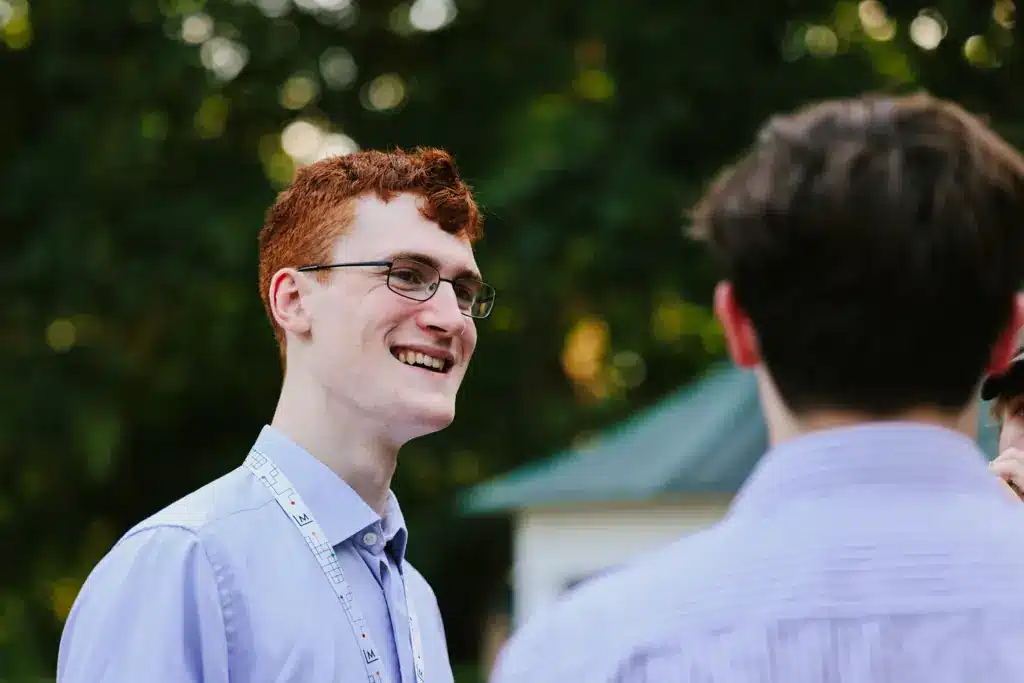
- A hero scholar. Built media interest around Freddie Truman-Williams, a Martingale Scholar studying maths at Oxford, so the story had a face.
- Regional and trade follow-up. Pitched scholars and university partners to regional and education media, including a feature in Insider North West in October 2025.
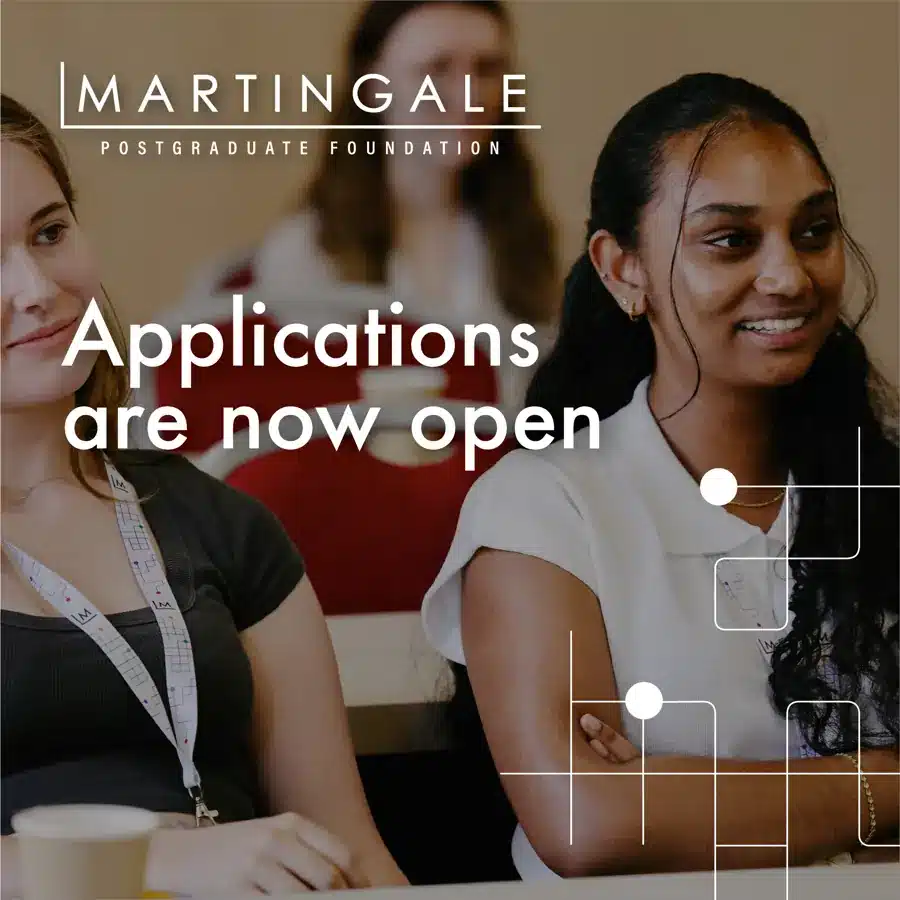
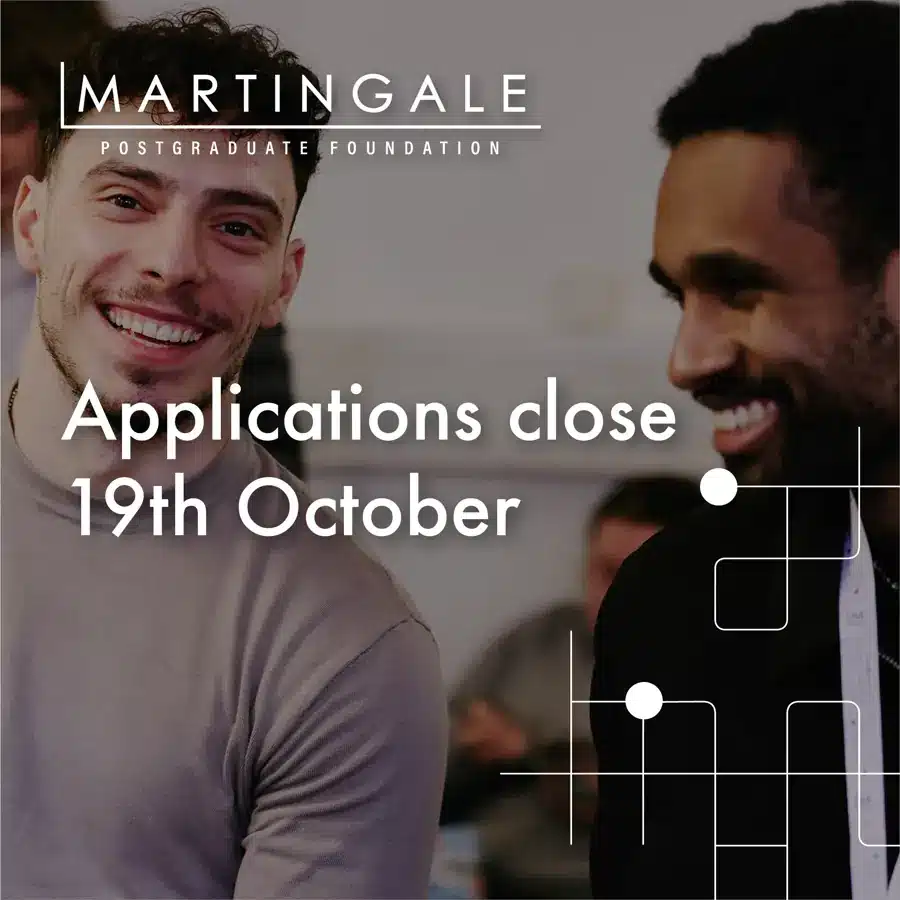
- Three-phase paid social. Awareness from 13 August, then a push to apply from 15 September, then retargeting engaged visitors until applications closed on 19 October. Ads ran on Meta, TikTok and LinkedIn, led by short videos from current scholars.
- Measurement from day one. Tracking links on every ad, a test-and-learn structure for audiences and creative, and an AMEC-aligned framework agreed with the client.

What did it achieve?
Results by stage of the AMEC evaluation framework, with the source for each figure.
- National · 28 August 2025The Times The £25m pledge and 800-scholar goal, to an online audience of 1.05M.
- Regional · October 2025Insider North West A feature on scholars and university partners, in print and online.
- Paid social · August to October 2025Meta, TikTok, LinkedIn Three phases led by short videos from current scholars.
| Stage | Measure | Result | Source |
|---|---|---|---|
| Outputs | Media placements | 12 | Prohibition coverage log |
| Outputs | The Times (online), 28 August 2025 | 1,053,873 circulation | Prohibition coverage log |
| Outputs | Insider North West feature, October 2025 | Print and online | Prohibition coverage log |
| Outputs | Paid social | 3 phases on Meta, TikTok and LinkedIn | Campaign plan |
| Out-takes | Landing page traffic | +155% | Prohibition campaign reporting |
| Outcomes | Applications for the 2026 cohort | +34% on 262 the year before | Prohibition campaign reporting |
What did Martingale Foundation get from it?
A bigger pool of the students it exists to find, in a year when it needed one. The foundation opened new subjects, took on new funders and set itself a public target. The campaign put that story in front of national readers and drove more applications than the year before.
What did we learn?
- Fix measurement before spending. Tracking links and a test-and-learn structure meant every pound of paid social could be judged on results.
- Excellence travels further than hardship. National media wanted the talent and the science. The social mobility story came with it.
- Scholars are the best advert. Videos from current scholars did more than anything the foundation could say about itself.
- What we would do differently: agree one end-of-campaign report with the client at kick-off, so final applicant numbers sit alongside media and paid results.