
Follower count explains why a brand takes the meeting. It doesn’t explain why the partnership works.
Mappin & Webb has held a Royal Warrant since 1897 and its master craftsman currently holds the title of Crown Jeweller. Lydia Millen built an audience of over three million people from a university bedroom, styling outfits for a blog she started to escape her dissertation. Neither fact explains the partnership on its own. Put together, they explain almost all of it.
Why This Partnership Works
Most influencer marketing case studies chase the biggest possible name. At the top end of the market, Tiffany paired with Beyoncé and Jay-Z. Bulgari cast Zendaya. Those campaigns work because of the scale most brands will never have access to or budget for.
Mappin & Webb and Lydia Millen’s collaboration offers a more useful lesson for the brands reading this: the partnership works because the audience overlap is almost exact, not because either party is the biggest name in their category.

How Lydia Millen brings the influencer value
Millen’s content has always centred on aspiration built from detail: styling, interiors, countryside living, a slower and more considered version of luxury. Her audience follows her for the same reason people walk into Mappin & Webb rather than a high street chain: they want the version of a purchase that feels considered, not impulsive.
That audience fit matters more than her follower count in any luxury marketing strategy. A creator with an audience built on hype and flash sales would undercut a 250-year-old jeweller’s positioning in a single post, no matter how large the following.
What does Mappin & Webb bring?
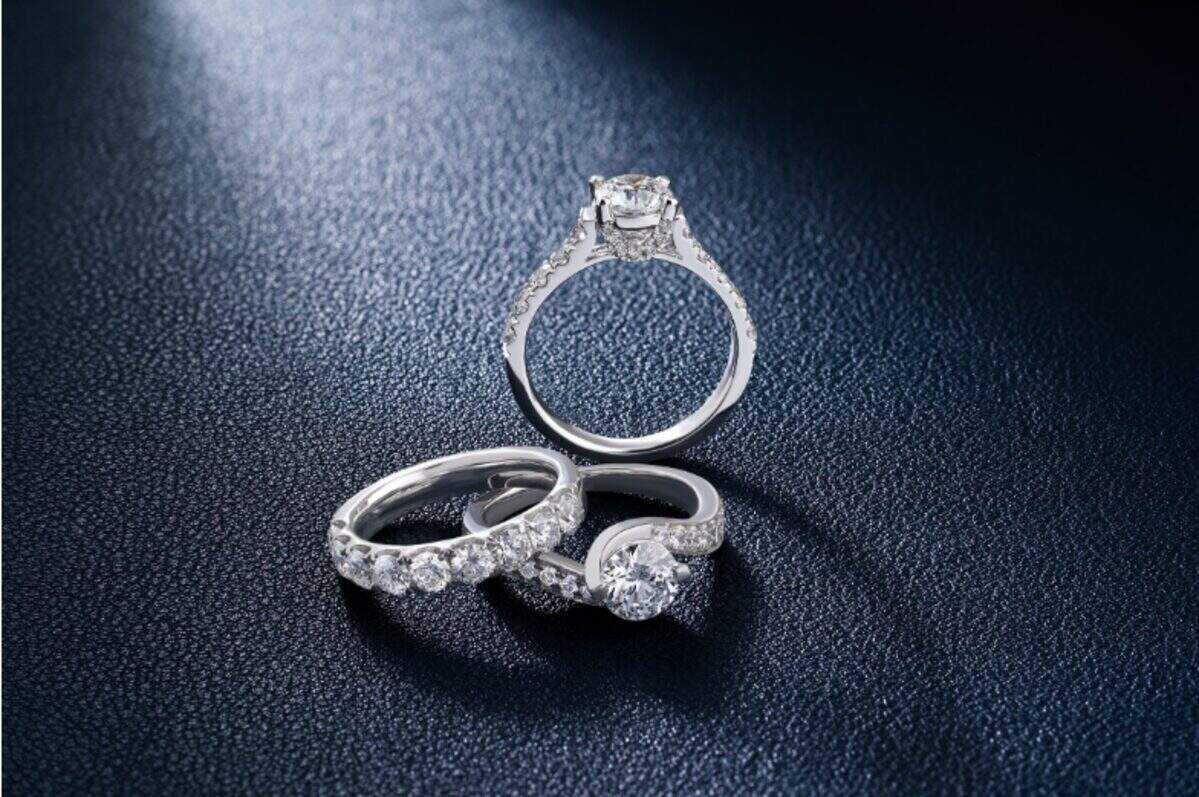
Heritage only works as a marketing asset when it’s real. Mappin & Webb has designed jewellery for royalty since Queen Victoria, and its Royal Warrant history gives a partnership like this a credibility layer a newer brand can’t manufacture. Pairing that heritage with a creator known for a considered, editorial style, rather than a fast-fashion haul format, keeps the brand’s positioning intact rather than diluting it for reach.
This typically shows up in slower, editorial-style content such as seasonal campaigns, styling edits or milestone moments, rather than high-frequency product pushes.
What’s the actual anatomy of a luxury influencer partnership that works?
- Audience overlap over follower count: the creator’s existing audience already wants what the brand sells, so the partnership reads as natural rather than paid
- Content format match: a brand built on considered purchases needs a creator whose format is considered too, not a creator whose content is built for speed
- Longevity over a single post: a one-off ad reads as a transaction. A creator who returns to a brand across multiple campaigns reads as an endorsement
- Heritage that holds up to scrutiny: claims of craft or history need to survive a follower asking a question in the comments
How does this apply to your own luxury brand?
Start with the audience, not the follower count. Look at what a creator’s existing content already assumes about their audience’s taste and spending, then check whether that assumption matches your brand, not your product category. A smaller creator whose audience already behaves like your customer will outperform a larger one whose audience only overlaps on demographics.
This is the same thinking behind our luxury PR work and our influencer marketing campaigns, where audience alignment consistently drives stronger engagement and conversion than reach alone.
Where we’ve worked with Mappin & Webb ourselves
We’ve worked with Mappin & Webb ourselves. In 2019 we produced their 2020 brand film, a three-day shoot at Birdsall House in North Yorkshire. The brief was to take the “Forever since 1775” positioning from a heritage claim to something you could actually see: the jewellery, the craftsmanship, seasonal styling captured to work as one continuous film or four standalone seasonal cuts.
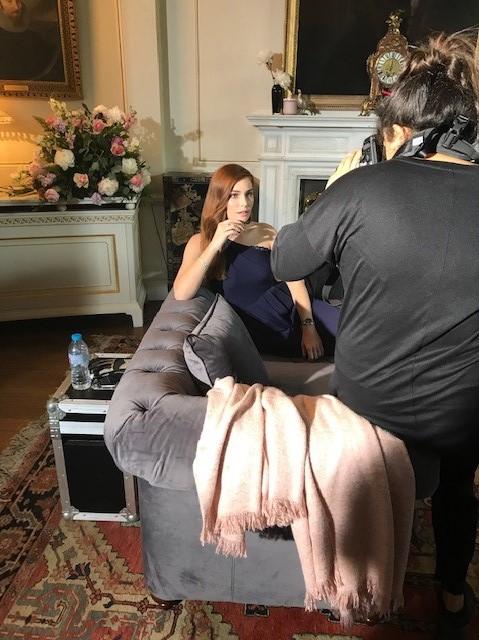
That project sat on the production side. It’s a different piece of work to the Lydia Millen partnership this article analyses, and we haven’t worked with Lydia Millen directly ourselves. The brand film taught us the same lesson this partnership demonstrates: a heritage brand’s story only lands when every detail, from wardrobe to prop styling to which watch face catches the light, gets treated as part of the brand rather than decoration around it.
You can see how we approached it in the full case study.
FAQs
What is luxury influencer marketing?
Luxury influencer marketing focuses on partnering with creators whose audience values quality, craftsmanship and considered purchases, rather than mass reach or high-volume promotion.
What makes an influencer partnership feel right for a luxury brand?
Audience overlap and content format, not reach. A creator whose existing audience already values considered purchases will outperform a bigger name whose audience doesn’t.
Should luxury brands only work with mega-influencers?
No. A smaller creator with the right audience fit consistently outperforms a mega-influencer whose audience is broad but mismatched to the brand’s positioning.
How long should a luxury influencer partnership run?
Longer than one post. A single sponsored post reads as an ad. A creator who appears across multiple campaigns over time reads as a genuine association with the brand.
Does heritage matter in influencer marketing?
Yes, when it’s real and specific. Vague claims about craftsmanship don’t survive a follower asking a direct question. Verifiable history does.
About The Author