Case study · Utilities
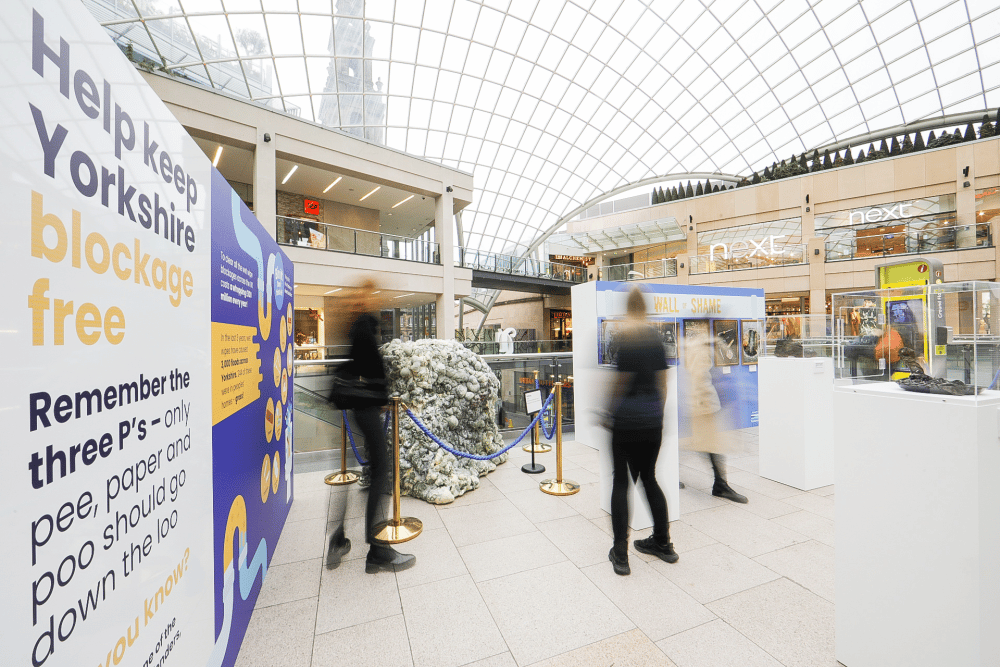
People have heard “don’t flush wet wipes” so many times they no longer listen. For Yorkshire Water we showed them instead. The Cabinet of Curiosities was a one-day gallery of things pulled from Yorkshire’s sewers, set up in Trinity Leeds during February half term. It put the message in front of a 69,000-footfall day and onto BBC Look North.
- 69K footfall at Trinity Leeds on the day
- +25% footfall against a usual day
- 19 pieces of coverage
- 120+ family competition entries
- Client Yorkshire Water
- Sector Utilities
- Services Creative campaign, experiential, press office, content
- When 16 February 2023, February half term
- Audience Yorkshire households and families
- Channels Pop-up exhibition, TV, radio, regional press, social
What did Yorkshire Water need?
Yorkshire Water looks after water and wastewater for more than five million people. Blockages caused by things that should never go down the loo cost its network millions every year, with wet wipes the worst offender. They can also flood homes and harm the environment.
The problem: “don’t flush wet wipes” is a message people resist, and journalists have heard it many times before.
- Business objective: reduce avoidable blockages by changing what Yorkshire households flush.
- Communication objective: put the “bin it, don’t block it” message in front of as many Yorkshire families as possible over February half term, and earn regional press and broadcast coverage that carries it beyond the venue.
What was the insight?
People nod along to anti-blockage messages and then keep flushing. What changes minds is seeing what actually comes back out of a sewer.
So we treated sewer finds like fine art. The idea was the Cabinet of Curiosities: Yorkshire’s most disgusting art exhibition.
What did we do?
- A gallery in a shopping centre. We booked a space in Trinity Leeds, in the heart of the city centre, and timed it for February half term to guarantee family footfall.
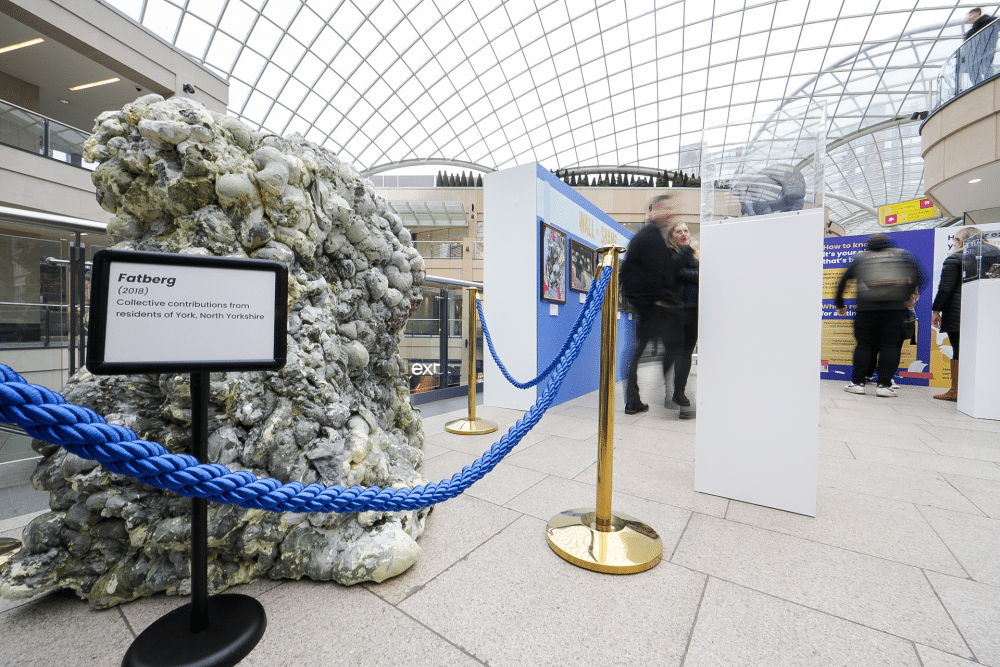
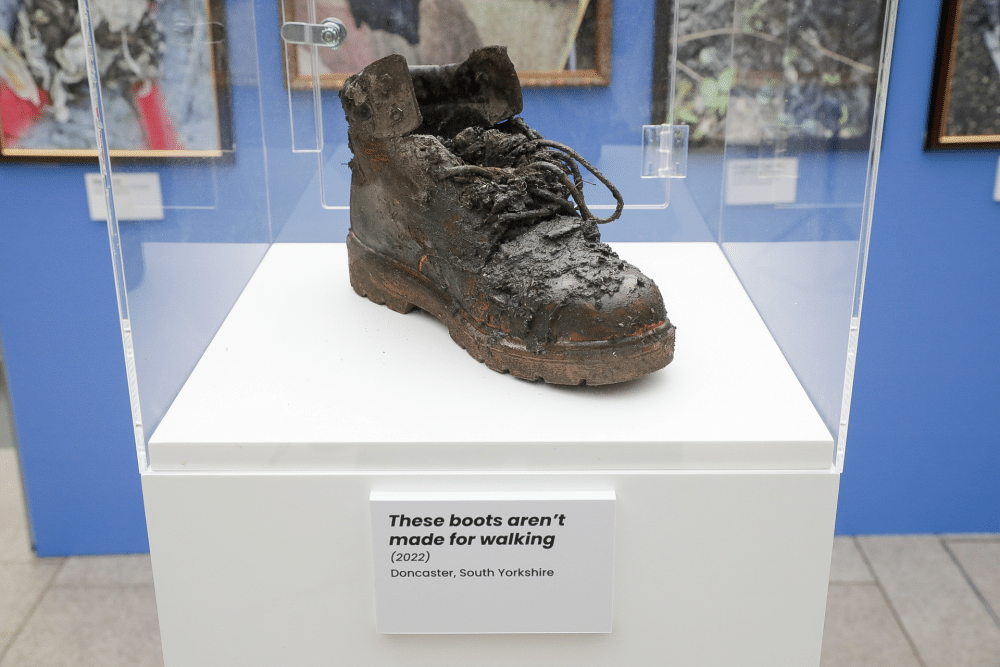
- Exhibits worth stopping for. Our creative team designed replicas of real sewer finds, displayed on plinths with gallery labels: boots “that aren’t made for walking”, a frying pan, cuddly toys and a life-size fatberg. A “Wall of Shame” showed bigger blockages as spoof artworks. The build was delivered with experiential partner iMP.
- A simple rule. Every panel carried the same line: only the three Ps, pee, paper and poo, go down the loo.
- Something for children. Yorkshire Water’s Wipesaur mascot met visitors, and a drawing competition asked children to design their own anti-blockage poster.
- Press and broadcast. We offered an exclusive, invited regional media, and sent same-day photos and video to picture, video and news desks. BBC Look North filmed on the day, interviewing shoppers and Yorkshire Water’s Miles Cameron.
What did it achieve?
Results by stage of the AMEC evaluation framework, with the source for each figure.
| Stage | Measure | Result | Source |
|---|---|---|---|
| Outputs | Pieces of coverage, including BBC Look North and BBC Radio Leeds | 19 | Prohibition coverage log |
| Outputs | Footfall at Trinity Leeds on the day | 69,000 | Trinity Leeds |
| Outputs | Footfall against a usual day | +25% | Trinity Leeds |
| Out-takes | Family drawing competition entries | 120+ | Prohibition campaign reporting |
| Out-takes | Attendee feedback | 100% positive | Prohibition visitor feedback, on the day |
| Impact | Exhibition format taken on to other Yorkshire towns | Sheffield (2024) and Barnsley (2025) | Yorkshire Water |
What did Yorkshire Water get from it?
A tired message that people stopped to look at. Shoppers queued to see the exhibits, children drew their own posters and the story reached homes across the region through BBC Look North.
Visitors said it in their own words: “I didn’t have a clue all this ends up in the pipes.”
The idea worked well enough that Yorkshire Water has since taken the exhibition on to Sheffield and Barnsley.
What did we learn?
- Show, don’t tell. Seeing a fatberg did more than any leaflet.
- Go where people already are. A busy shopping centre in half term gave us a ready-made audience.
- Serve every desk. Same-day photos and video for picture, video and news desks kept the story running all day.
- What we would do differently: run a short before-and-after survey with visitors, and track blockage reports in the areas we reached, so the behaviour change can be measured and not just observed.